-
 Do you know what are the die casting materials?
Die-casting is a type of pressure-casting part. It is a die-casting mechanical die-casting machine equipped with a casting mold. The heated liquid metal is poured into the inlet of the die-casting machine. Size parts, such parts are often called die castings. So what materials are usually available for die casting? Bengbu Longhua Die Casting Machine takes you to find out. The main alloy materials for die casting are tin, lead, zinc, aluminum, magnesium, and copper. Zinc and aluminum alloys are the most widely used, followed by magnesium and copper alloys. At present, zinc, aluminum and magnesium alloys are mainly used in the electronics industry. Die-cast zinc alloy The molten state of the zinc alloy is very good, with a low melting point of only 365 degrees. Various post-processing can be performed, such as plating. Therefore, it has a wide range of uses. It was also used a lot in the mobile phone industry before, but because of the large ratio, the poor corrosion resistance was gradually eliminated by aluminum alloys. Currently the most used is the bathroom industry. Alloys 2, 3, 4, 5, and 7 are commonly used, and currently the most widely used is alloy 3. Die-cast aluminum alloy Aluminum alloy has low density but high strength. It is close to or exceeds high-quality steel. It has good plasticity and can be processed into various profiles. It has excellent electrical conductivity, thermal conductivity and corrosion resistance. It is widely used in industry, and its usage is second only to steel. . The specific weight of aluminum alloy is only about 1/3 of that of iron, so it is very important in various industries at present, especially in the indispensable role in the lightweight process of aircraft, ships, automobiles, and electronic equipment. Commonly used are Al-Si-Cu series, and ADC12 (A383), ADC10 (A380) are common. There are also Al-Si-based, Al-Si-Mg-based, and Al-Mg-based. What is currently called aluminum-titanium alloy is modified by adding titanium metal to the above materials. Adding titanium metal can significantly improve the mechanical properties of the product. Die-cast magnesium alloy Magnesium alloy is an alloy composed of magnesium and other elements. Its characteristics are: low density, high specific strength, large specific modulus of elasticity, good heat dissipation, good shock absorption, greater shock load capacity than aluminum alloy, and good resistance to organic and alkali corrosion. The specific gravity of magnesium is about 2/3 of aluminum and 1/4 of iron. Therefore, it is widely used in mobile phones, communication equipment and other electronic equipment, auto parts, and medical equipment. At present, the most widely used are magnesium aluminum alloys, followed by magnesium manganese alloys and magnesium zinc zirconium alloys. Commonly used grades are AZ91D, AM60B, AM50A, AS41B and so on. With the continuous improvement of the development level of the domestic manufacturing equipment industry, the equipment l...
-
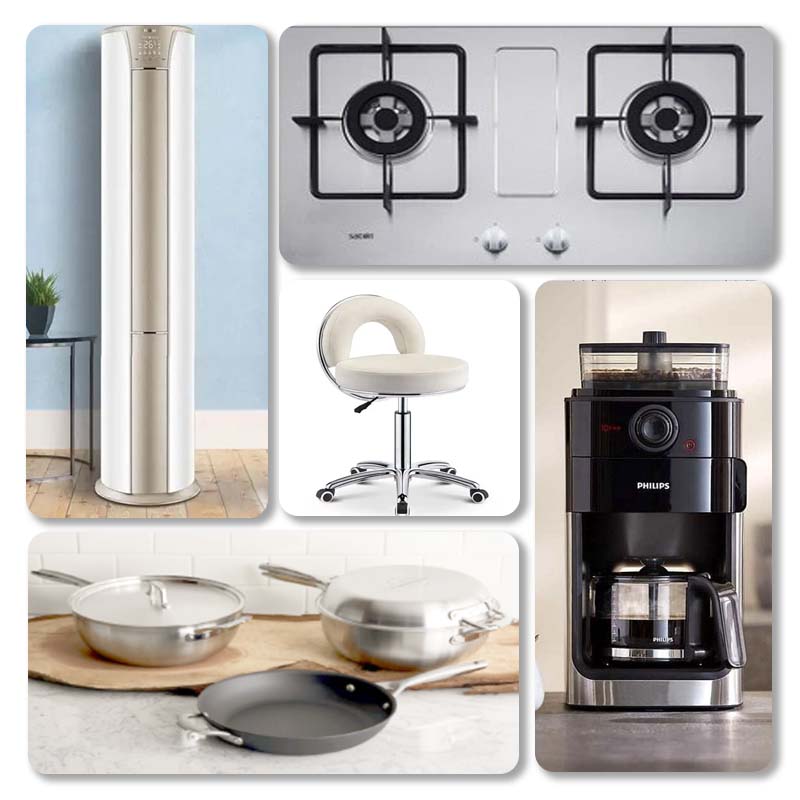 Analysis and Optimization of Die‑Casting Mold Design, Manufacturing and Common Quality Problems
Die‑casting production is affected by multiple quality‑related factors. Besides die‑casting machine failures and unstable system performance, the accuracy of auxiliary equipment, the quality of auxiliary materials and the purity of molten aluminum will also lead to production instability. Stubborn defects such as pores, slag holes, pinholes, cracks, deformation, cold lines and shrinkage greatly raise production costs and lower efficiency. Among various influencing factors, die‑casting mold design and manufacturing represent the primary root cause of these quality issues. Traditional production management assigns weight to each factor as follows: molds 60 %, machine performance 15 %, process debugging 10 %, manual operation 10 %, accessories 5 %. However, high‑end sectors including automotive, rail transit and aerospace impose stricter requirements on die‑cast parts. Therefore, the weight allocation needs to be updated to match modern production demands. Molds remain the core for improving quality and efficiency. Enterprises shall prioritize R&D, design, manufacturing and maintenance of dies as key management items. 1. Early‑stage Review for Casting Projects Comprehensive evaluation shall be completed before mold development. Apart from meeting customers’ technical specifications, manufacturers need to verify whether casting structures are compatible with die‑casting mold design and production processes. Key review items include mold manufacturability, in‑house equipment capacity, expected production efficiency and qualification rate, mold cost and service life, order volume and customer cooperation value, so as to avoid design defects from the very beginning. 2. Key Points for Mold Design Mold Positioning:Determine mold grade and manufacturing cost according to monthly and annual output, cost‑bearing mode, product qualification requirements and duplicate‑mold costs, to satisfy actual mass‑production demands. Mold Cavity Dimension:Optimize mold‑cavity thickness, parting surface, runners, gates, overflow grooves and core‑pulling structures. Equip proper cooling and vacuum exhaust systems to reduce mold deformation, guarantee sealing performance and extend mold service life. Ejector Pin Layout:Arrange ejector pins considering customer requirements, product ejection balance and cooling pipeline layout. Reasonable layout helps exhaust gas and supports stable demolding of complex castings. Avoid excessive ejector pins which will increase costs and mold wear risks. Cooling System:Adopt straight‑through cooling as the primary solution. For special structures, apply spot cooling or fine‑core cooling. Single‑loop circulating cooling should be avoided. Combined cooling solutions ensure uniform mold temperature, stable production and convenient maintenance. Gate Sleeve Selection:Large‑diameter gate sleeves reduce flow velocity and mold impact, suitable for simple‑structure castings with more material waste. Small‑diameter gate sleeves deliver high fillin...
-
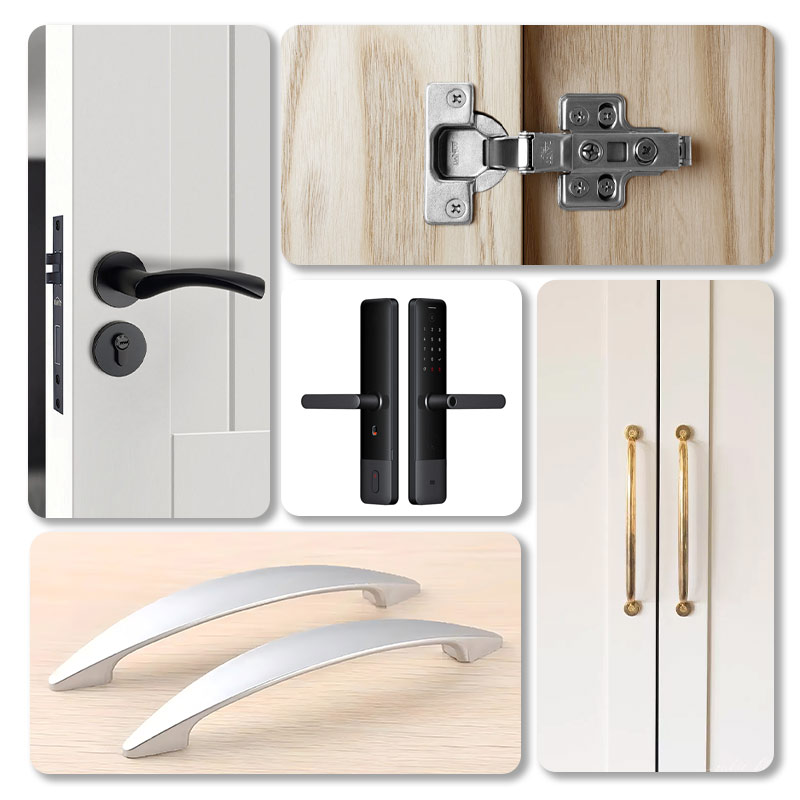 Die castings application
Die-casting is a kind of pressure-casting part. It is a pressure-casting mechanical die-casting machine with a casting mold. The metal such as copper, zinc, aluminum or aluminum alloy heated to liquid is poured into the inlet of the die-casting machine. Die casting, casting copper, zinc, aluminum parts or aluminum alloy parts of the shape and size of the mold, such parts are often called die castings. Die-casting parts have different names in different places, such as die-casting parts, pressure castings, die-casting parts, die-casting aluminum, die-casting zinc parts, die-casting copper parts, copper die-casting parts, zinc die-casting parts, aluminum die-casting parts, aluminum die-casting parts, aluminum pressing. Alloy castings, aluminum alloy die-cast parts, etc.
-
 Application of die casting machine
Long Hua die-casting machines are applicable to manufacture of automobile and motorcycle parts (engine cylinder block, cylinder head, crankcase, hinged door covers, oil pan, gearbox housing, gearbox end cap, dashboard, etc.), electric escalator handrail/steps, industrial/road/railway/air/agricultural machinery, streetlights shells,potlight shells, building material parts, furniture, aluminum arts, copper arts, magnesium alloy products, non-ferrous metal processed products and other die casting products.
-
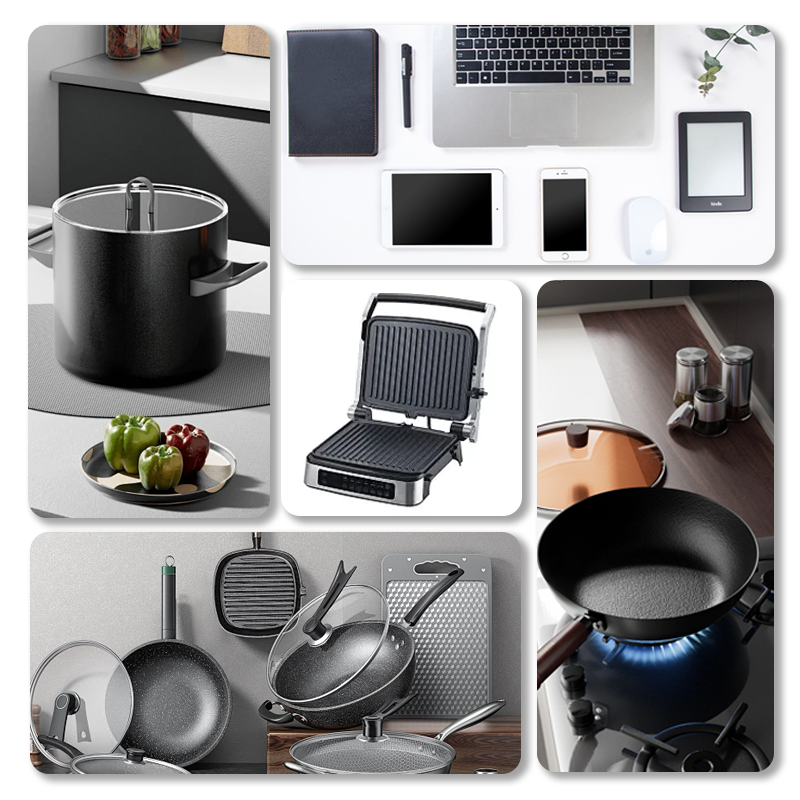 Wide application of die casting machine in life
Die-casting parts can be manufactured as die-casting auto parts, die-casting automotive engine fittings, die-casting air-conditioning fittings, die-casting gasoline engine cylinder heads, die-casting valve rocker arms, die-casting valve bearings, cast power fittings, die-casting motor end caps, die-cast housings, die-casting pumps Parts such as shells, die-casting construction parts, die-casting decorative parts, die-casting guardrail fittings, die-casting wheels, etc., with the continuous improvement of the development level of the domestic manufacturing equipment industry, the equipment level of the die-casting machine is also significantly improved, and the types of parts that can be manufactured are also constantly The expansion, the precision of the die-cast parts, and the complexity of the parts have also been greatly improved. I believe that in the near future, die-casting parts will better serve our production and life!
-
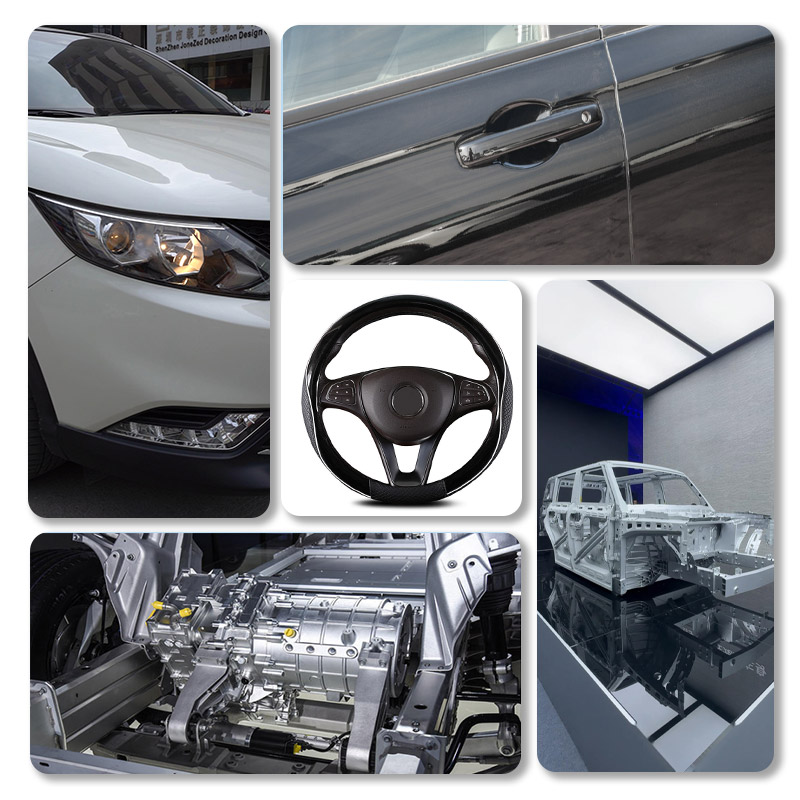 Automotive die-casting parts
Automotive die-casting parts mainly include: aluminum die-casting automobile engine pipe fittings, aluminum die-casting engine cylinders, aluminum die-casting gasoline engine cylinder heads, aluminum die-casting valve rocker arms, aluminum die-casting valve bearings, aluminum die-casting power fittings, aluminum die-casting motor end caps, aluminum die-casting shells Body, aluminum die-casting pump housing, aluminum die-casting construction fittings, aluminum die-casting decorative fittings, aluminum die-casting railing fittings, aluminum die-casting aluminum wheels.