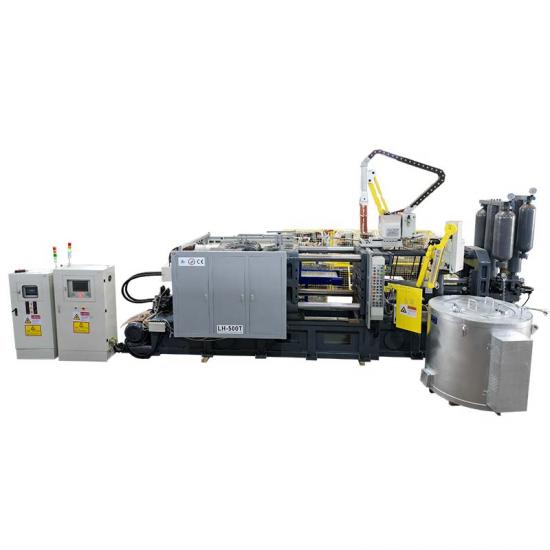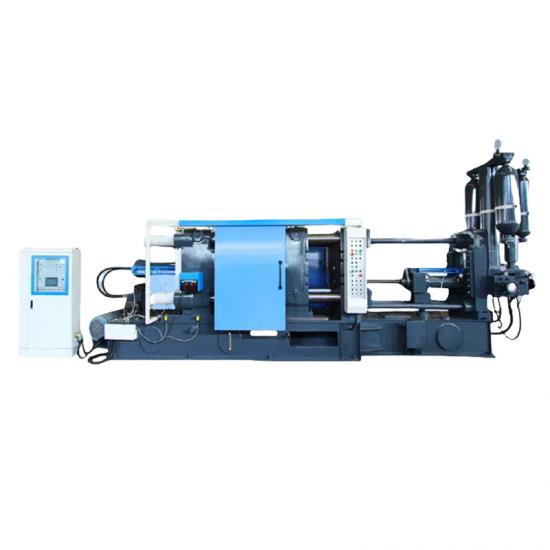



Impurities such as inclusions and foreign particles are common defects in die‑cast parts. They not only spoil surface appearance, but also weaken mechanical properties, air tightness and corrosion resistance of castings, and may even cause large‑scale product rejection. Impurity defects originate from the whole production chain including smelting, metal transfer, pouring and forming. Systematic improvements covering raw‑material control, smelting process, tooling maintenance and environmental management are required. Below are nine key improvement measures with detailed explanations.
1. Control the quality of raw materials
Raw materials constitute the primary source of impurities. Ingots shall be delivered with material certificates, and spectral composition tests shall be performed batch‑by‑batch to meet alloy specifications.
Raw materials shall be stored and marked by categories to avoid mixing different grades. Damp, rusty or oil‑stained charges must be dried and cleaned before charging, preventing moisture and contaminants from generating pores and inclusions in molten metal.
2. Use secondary materials according to reasonable proportion
Returns such as sprues, overflows and rejected castings tend to form oxide inclusions after remelting, with alloy element loss and impurity accumulation. The proportion of secondary materials must be strictly controlled.
Remove oil, coating and dirt from secondary materials before reuse. Regular molten‑metal composition inspection is needed, and the ratio of virgin ingots shall be adjusted accordingly to stabilize alloy components.
3. Adopt high‑quality refining agents for metal smelting
Refining is critical for removing hydrogen and oxide slag. Select refining agents matching target alloys, and strictly follow process requirements for refining temperature, duration and dosage. After refining, hold the molten metal long enough for slag to float up, then remove slag completely to stop slag entering the shot sleeve. On‑line degassing equipment is recommended for continuous purification.
4. Apply ceramic filters
Install ceramic filters between holding furnace and shot sleeve to intercept oxide and non‑metallic inclusions. Select proper pore size according to casting wall thickness, alloy grade and flow rate. Too coarse filters give poor filtration; too fine ones lead to blockage. Ensure firm installation to avoid unfiltered bypass flow, and replace damaged or blocked filters in time.
5. Vacuum melting and conveying
Molten metal is easily oxidized and absorbs hydrogen under atmospheric conditions. Vacuum melting or smelting under protective atmosphere greatly reduces oxidation and gas absorption. Use closed transfer or vacuum‑pouring equipment during metal delivery to avoid secondary oxidation. Vacuum melting and protective‑gas transfer are essential for easily‑oxidized alloys such as magnesium alloys.
6. Adopt ceramic spoons, crucibles and protective tubes; eliminate iron‑made tools
High‑temperature molten metal corrodes iron tools. Dissolved iron forms hard‑particle impurities and intermetallic phases, degrading casting quality. Replace iron tools with high‑temperature‑resistant ceramic tools. Pre‑heat all molten‑metal‑contact tools and coat with protective paint to prevent chilling and peeling oxide layers.
7. Regularly clean molds, tooling and working surfaces
Metal chips, oxide scale and coating deposits on molds, shot sleeves and plungers may fall off and get into cavities during production, forming inclusions. Clean mold cavities, gating systems and shot sleeves thoroughly after each shift. Remove splashes and coating buildup during operation. Sweep chips and dust on fixtures and workstations to prevent foreign‑matter contamination.
8. Use high‑quality release agents and auxiliary materials
Poor‑quality or improperly‑mixed release agents and lubricants decompose at high temperature and leave residues that cause inclusions. Choose high‑quality release agents compatible with alloys and molds. Control dilution ratio and spray volume to avoid excessive accumulation. Select thermally‑stable plunger lubricants and keep proper dosage.
9. Maintain a clean working environment
Workshop dust, grit and debris may fall into open molten metal or molds. Keep floor clean and clear metal chips. Isolate smelting and pouring zones from dust‑generating processes such as grinding. Keep furnaces and transfer vessels covered as much as possible. Operators shall wear clean workwear to prevent fiber and glove debris from entering production areas.
Conclusion
Impurity elimination is a systematic project that cannot rely on a single solution. Establish standardized procedures covering the full workflow from raw‑material incoming inspection to finished‑goods output. Track defect types, locations and rejection rates continuously, identify root causes and optimize processes to improve casting qualification rate and stability.