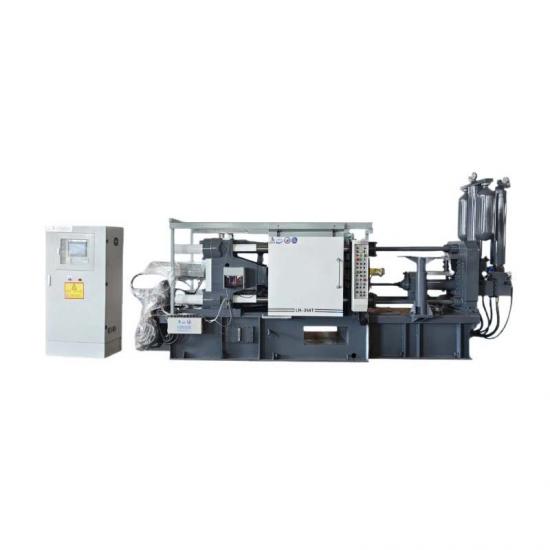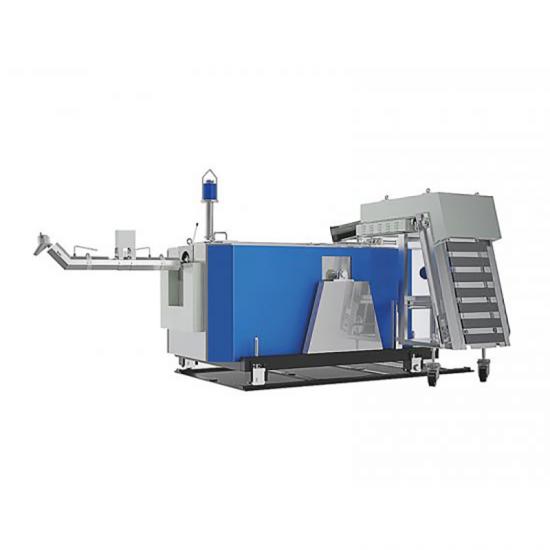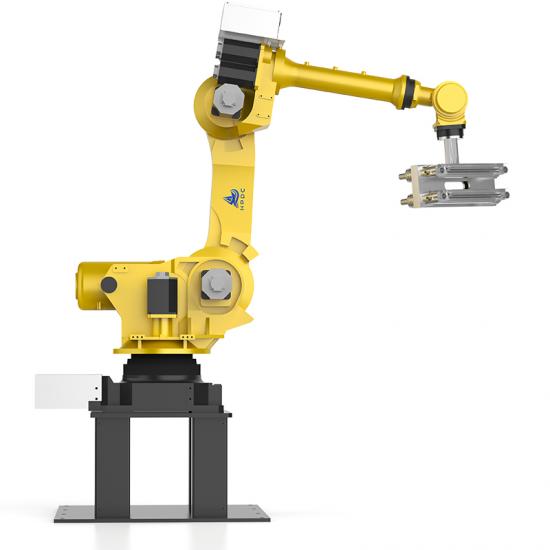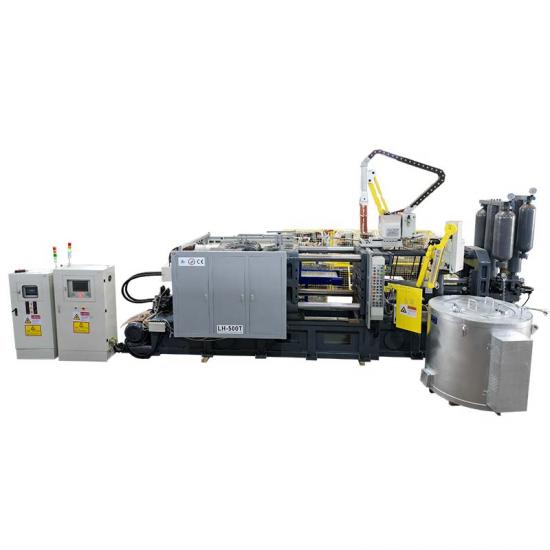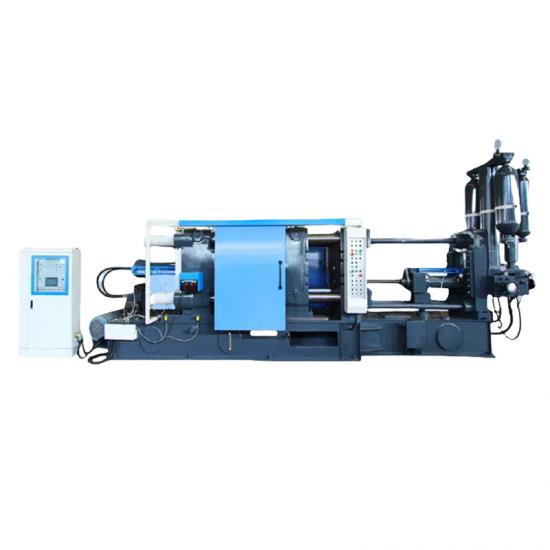



Bengbu Longhua Die‑Casting Machine Co., Ltd. has released key technical guidance on frequently‑overlooked faults during production with a horizontal cold‑chamber die‑casting machine, helping foundry operators avoid costly downtime and premature damage to core die‑casting equipment. Improper connection, misalignment and insufficient daily maintenance are major hidden risks that shorten the service life of large‑tonnage die‑casting machine components.
Many workshop failures stem from the poor fit of injection‑related assemblies,the situation is as follows:
1.The injection plug rod, injection rod and molten‑cup bore must remain strictly co‑axial with zero‑loose connections.
2.Operators need to replace cushion blocks regularly, keep the ejector‑rod joint tight, ensure unobstructed cooling water and fully lubricate the injection head.
3.Bent ejector rods or misaligned injection heads and molten cups are forbidden during operation.
Thousands of repeated injection shocks gradually compress the cushion‑block length, creating gaps at the split‑wrap‑clamp joint. Off‑axis operation will trigger a series of typical defects:
1.frequent bending and fracture of ejector rods;
2.stuck injection heads with short service life;
3.unilateral wear on injection‑head;
4.molten cup and gate sleeve;
5.aluminum splashing;
6.large flashing on material handles;
7.unstable casting quality;
Most technicians misjudge these symptoms as poor injection‑head quality.
Longhua provides two simple on‑site inspection methods for die‑casting machinery. Operators can measure circumferential clearance between injection rod and molten‑cup after manual injection, with 0.2 mm center deviation set as the tolerance limit. Repeated switching between injection and middle‑position can detect up‑and‑down runout, which signals rod deformation. Once misalignment occurs, factories should replace damaged parts, match cushion‑block gaps within 0.1 mm and carry out 24‑hour routine spot‑checks on clamp screws and joints. Different connection structures, including horseshoe‑floating connectors widely used on domestic die‑casting machine, demand enhanced daily maintenance to achieve stable long‑term production.