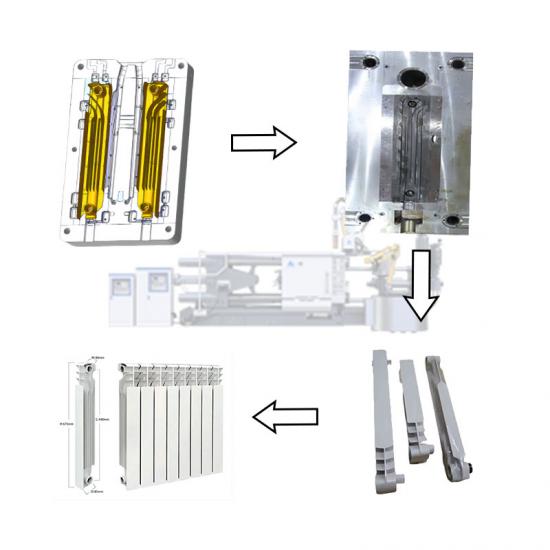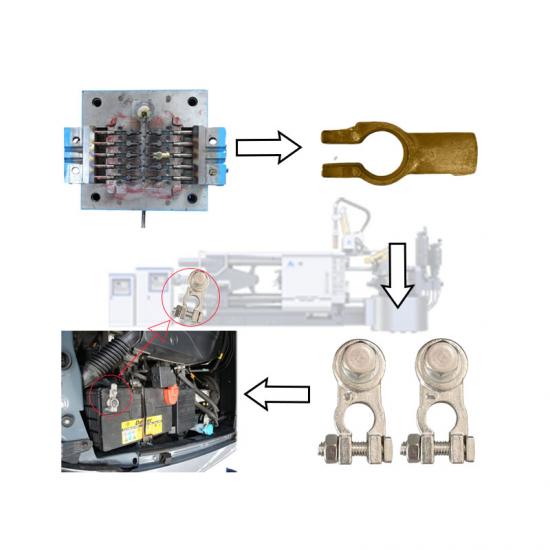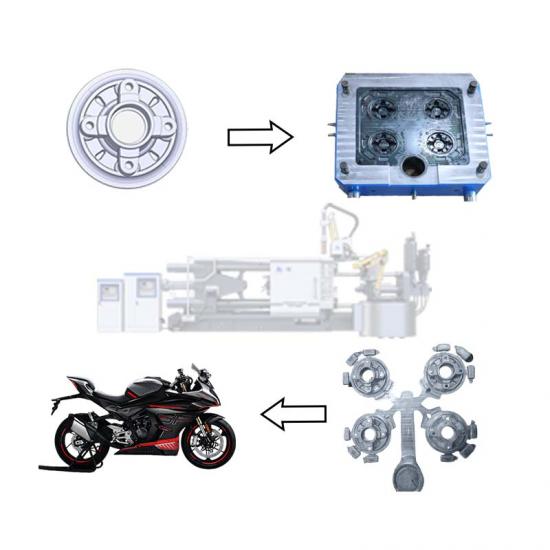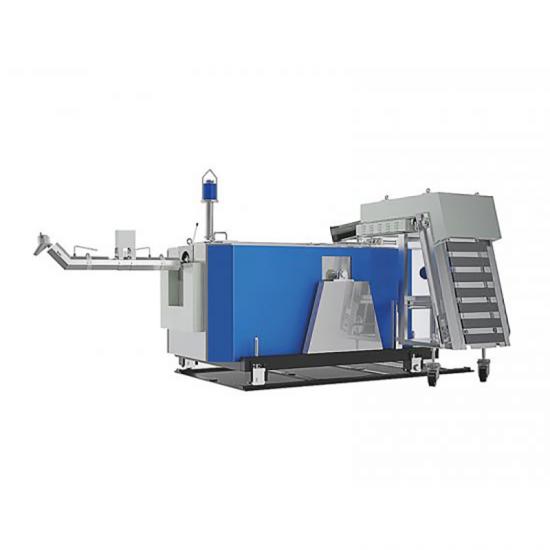



In die casting, mold cooling is often ignored, but it is essential for extending mold service life and maintaining production efficiency. Many operators skip connecting cooling water pipes to save time, and some manufacturers even o
Mold steel has its li
Using a proper cooling water or oil system reduces release agent consumption and shortens spraying time. Benefits include shorter die casting cycles, better product quality, and fewer stoppages from mold cracking, strain, or sticking. Cooling also reduces wear on ejector pins, core pins, and mold cores, extending mold life and total output.
However, cooling channels must be checked regularly for blockage. Blocked lines remove all benefits and recreate overheating problems. For die casting manufacturers, a reliable mold cooling strategy is a basic production requirement, not an option.