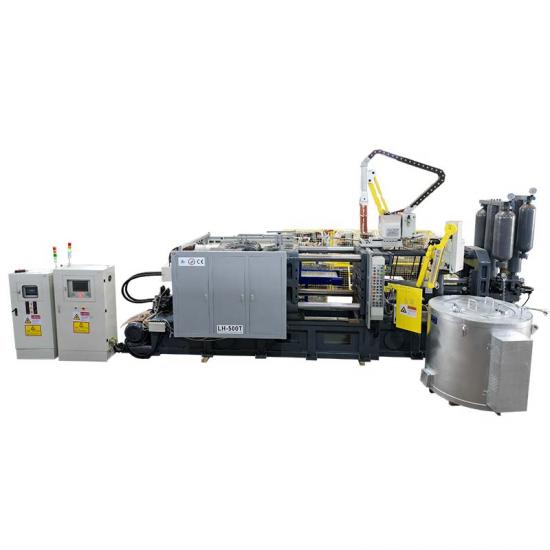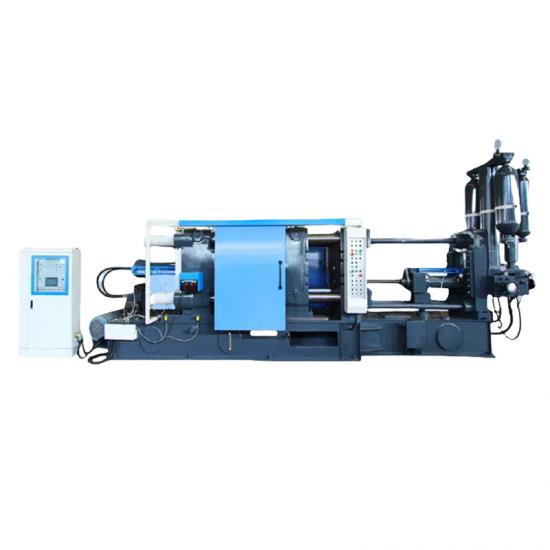



The natural gas compressor is vital‑core industrial equipment for CNG fueling stations and gas‑transport projects. Running under high‑pressure and flammable‑risk conditions, it requires correct operation knowledge and periodic maintenance for safe production.
The piston‑type natural gas compressor runs through a three‑step working cycle: suction, compression and exhaust. Driven by the motor, the crankshaft pushes the piston to move back‑and‑forth inside the cylinder. During suction, gas flows into the expanding cylinder chamber. While the piston moves rightwards, the sealed‑in natural gas is compressed and pressure rises. Once internal gas pressure exceeds exhaust‑pipe pressure, the exhaust valve opens to deliver high‑pressure gas, then the cycle repeats.
Different from ordinary air compressors, this machine compresses high‑risk combustible gas such as methane and propane under heavy‑duty high‑pressure conditions, while regular compressors mostly handle low‑to‑medium‑pressure air. Compressed natural gas (CNG) can serve as clean fuel for natural gas vehicles (NGV).
Routine maintenance falls into quarterly, semi‑annual and annual schedules. Quarterly tasks include cleaning venting systems, solenoid filters, carbon deposits on air‑valves and draining separators. Semi‑annual maintenance covers pressure‑gauge calibration, safety‑valve inspection, pipeline leak‑detection and electrical‑system testing. Annual service requires official safety‑valve inspection, coolant replacement and comprehensive check‑ups of hydraulic and limit components.
Operators should follow the rule of prevention‑first maintenance. Timely, full‑coverage inspection helps extend equipment service life and avoid dangerous failures of your natural gas compressor.