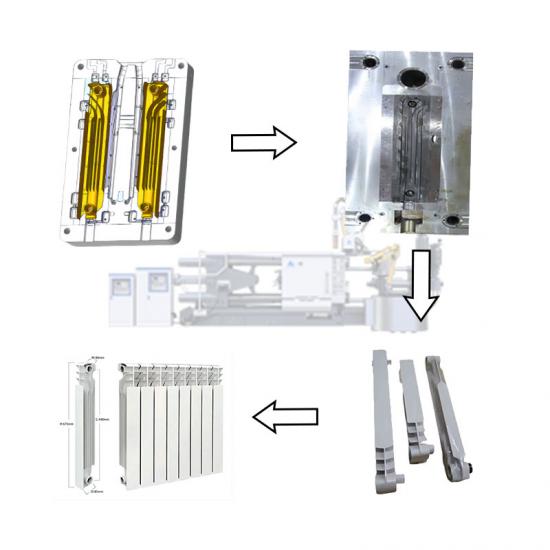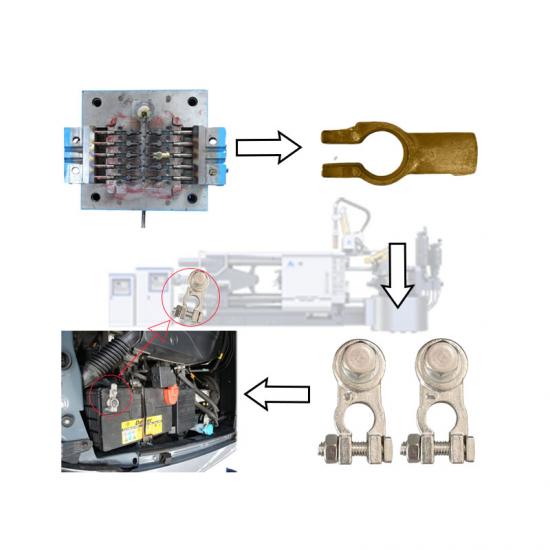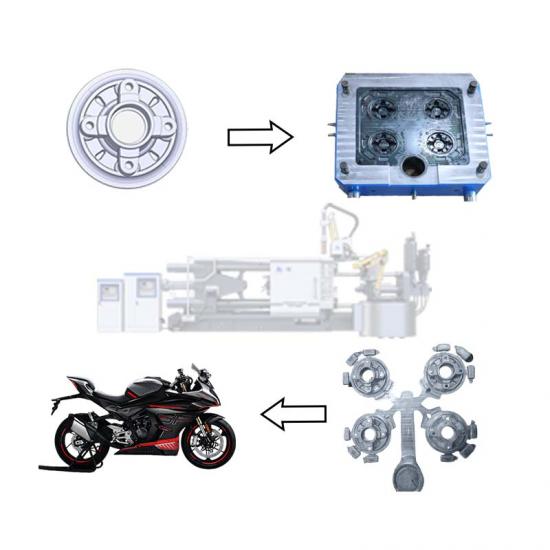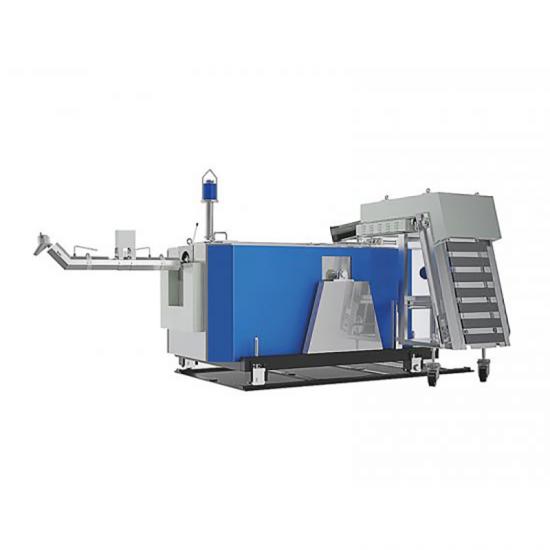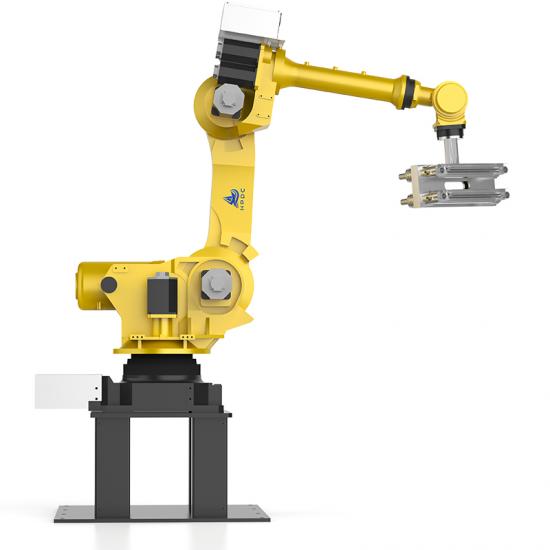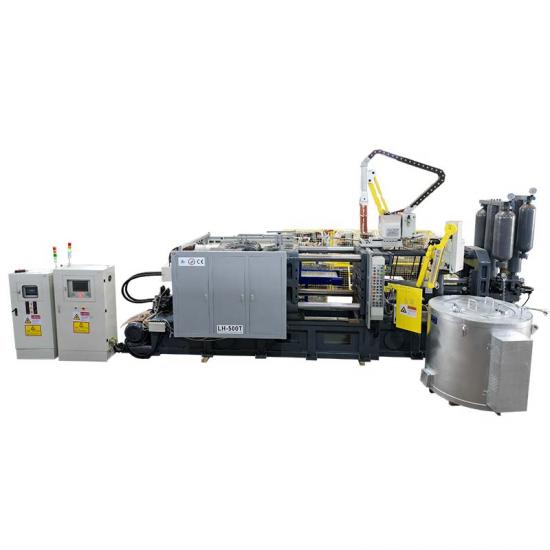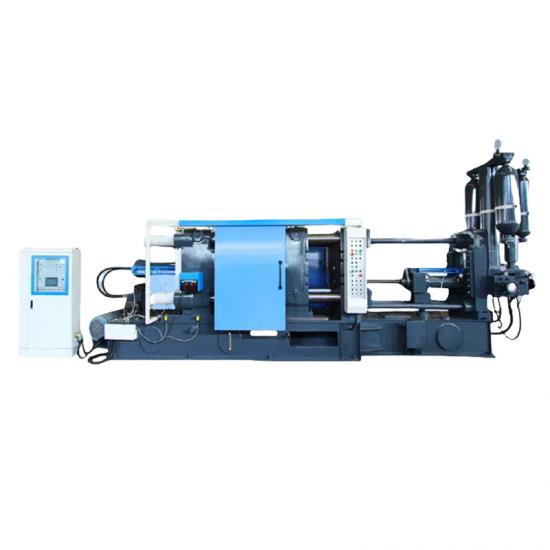



Die‑casting production is affected by multiple quality‑related factors. Besides die‑casting machine failures and unstable system performance, the accuracy of auxiliary equipment, the quality of auxiliary materials and the purity of molten aluminum will also lead to production instability.
Stubborn defects such as pores, slag holes, pinholes, cracks, deformation, cold lines and shrinkage greatly raise production costs and lower efficiency. Among various influencing factors, die‑casting mold design and manufacturing represent the primary root cause of these quality issues.
Traditional production management assigns weight to each factor as follows: molds 60 %, machine performance 15 %, process debugging 10 %, manual operation 10 %, accessories 5 %. However, high‑end sectors including automotive, rail transit and aerospace impose stricter requirements on die‑cast parts. Therefore, the weight allocation needs to be updated to match modern production demands.
Molds remain the core for improving quality and efficiency. Enterprises shall prioritize R&D, design, manufacturing and maintenance of dies as key management items.
1. Early‑stage Review for Casting Projects
Comprehensive evaluation shall be completed before mold development. Apart from meeting customers’ technical specifications, manufacturers need to verify whether casting structures are compatible with die‑casting mold design and production processes.
Key review items include mold manufacturability, in‑house equipment capacity, expected production efficiency and qualification rate, mold cost and service life, order volume and customer cooperation value, so as to avoid design defects from the very beginning.
2. Key Points for Mold Design
-
Mold Positioning:Determine mold grade and manufacturing cost according to monthly and annual output, cost‑bearing mode, product qualification requirements and duplicate‑mold costs, to satisfy actual mass‑production demands.
-
Mold Cavity Dimension:Optimize mold‑cavity thickness, parting surface, runners, gates, overflow grooves and core‑pulling structures. Equip proper cooling and vacuum exhaust systems to reduce mold deformation, guarantee sealing performance and extend mold service life.
-
Ejector Pin Layout:Arrange ejector pins considering customer requirements, product ejection balance and cooling pipeline layout. Reasonable layout helps exhaust gas and supports stable demolding of complex castings. Avoid excessive ejector pins which will increase costs and mold wear risks.
-
Cooling System:Adopt straight‑through cooling as the primary solution. For special structures, apply spot cooling or fine‑core cooling. Single‑loop circulating cooling should be avoided. Combined cooling solutions ensure uniform mold temperature, stable production and convenient maintenance.
-
Gate Sleeve Selection:Large‑diameter gate sleeves reduce flow velocity and mold impact, suitable for simple‑structure castings with more material waste. Small‑diameter gate sleeves deliver high filling speed and sufficient specific pressure, which work well for complex and precision die‑castings.
-
Design of Vulnerable Mold Structures:Use insert structures for protruding parts that are fragile, prone to cracking and aging. Compared with integral processing, inserts shorten replacement and maintenance time, improve exhaust performance and secure continuous mass production.
-
Runner and Gate Design:Runners and gates are the core of mold design, directly determining molten‑aluminum filling and molding quality. Set sprue length, width and thickness based on die‑casting machine tonnage to realize stable flow rate and uniform cavity temperature.Turbulence and vortex of molten aluminum shall be prevented in diversion and deceleration structures. A 45‑degree oblique joint is recommended for cross‑runner connections to stabilize flow velocity and pressure transmission.
-
Overflow Groove Design:Overflow grooves are used for discharging cold material, exhausting gas, assisting ejection and balancing mold temperature. Proper layout can adjust the flow direction and velocity of molten aluminum and significantly optimize filling performance.
3. Mold Manufacturing Specifications
Avoid sharp corners and excessive stress concentration during mold processing. Remove machining and electrode traces. Do not over‑polish cavity surfaces; over‑bright surfaces lose heat‑dissipation capacity and cause premature mold aging.
Add arc transitions for stepped and irregular positions to lower stress concentration and improve the flow performance of molten aluminum.
4. Optimized Mold Maintenance Method
On top of conventional daily maintenance, perform thermal maintenance while molds are on standby. Heat the mold to 500 °C, then cool it down naturally to 300 °C for air cooling. A dense oxide film will form on the mold surface.
This treatment relieves internal stress, resists impact from molten aluminum, improves fluidity of molten metal and can extend mold service life by approximately 40 %.
5. Analysis on Common Die‑Casting Defects
Defects such as pores, slag holes, pinholes, cold lines, shrinkage and deformation are mainly caused by mold quality, by equipment parameters and molten‑aluminum purity. Accurate identification of defect types is the premise of targeted solutions.
- Pores: Smooth and regular inner holes. Triggered by poor exhaust, vortex flow, improper filling speed and excessive gas content in molten aluminum.
- Slag holes: Uneven inner surfaces. Mainly caused by low mold / molten‑metal temperature, unstable pressure and impurities in molten aluminum.
- Pinholes: Fine micro‑holes, resulting from oxide residues in molten aluminum and inadequate temperature control.
Conclusion
Design, manufacturing and maintenance of molds constitute the core of high‑quality die‑casting production. Standardized design, scientific manufacturing and refined maintenance effectively cut down common defects, raise product qualification rate, control costs and guarantee long‑term stable production.