


The global die‑casting machine market continues steady growth, driven by automotive lightweight trend and expanding demand from general manufacturing. According to industry research, the market size reached $3,633.6 million in 2018, and is forecast to hit $4,978.7 million by 2026, with a CAGR of 3.9% during 2019‑2026.
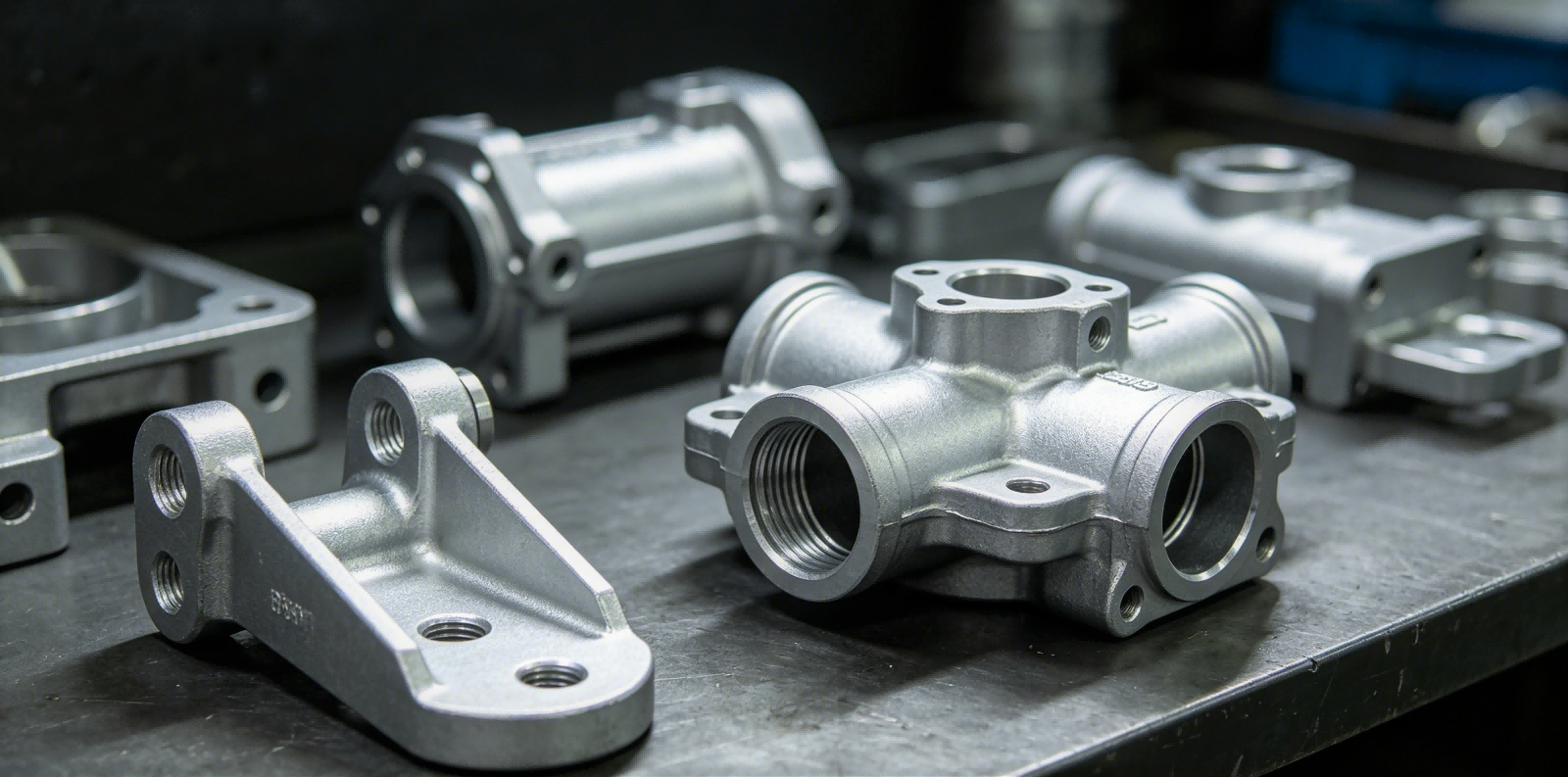
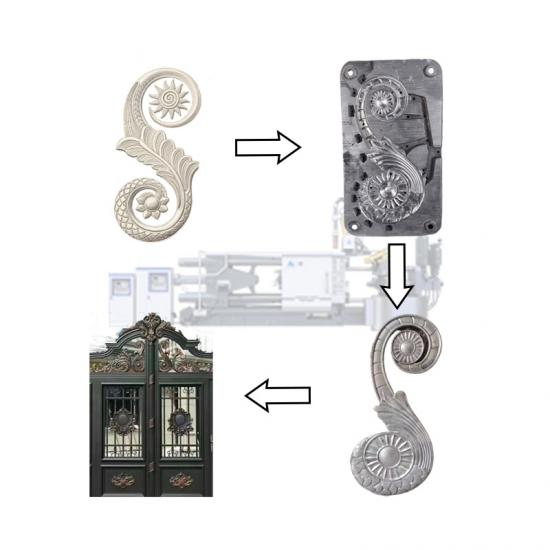
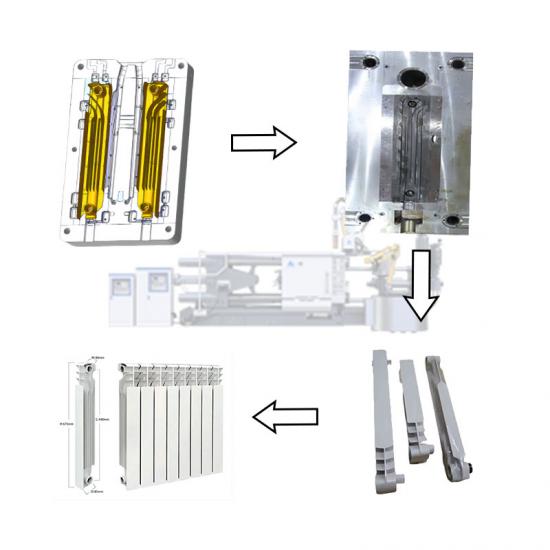
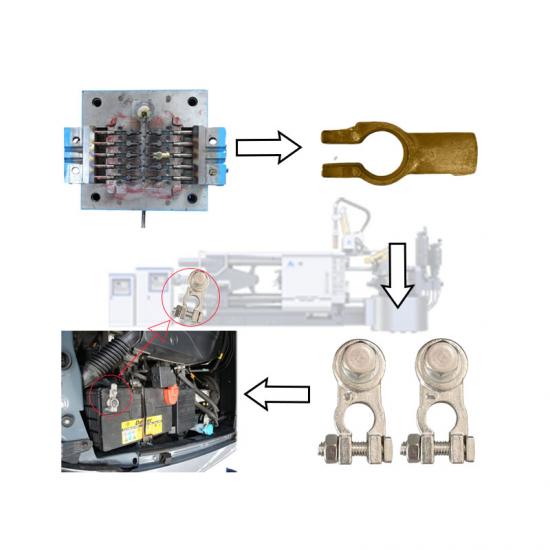
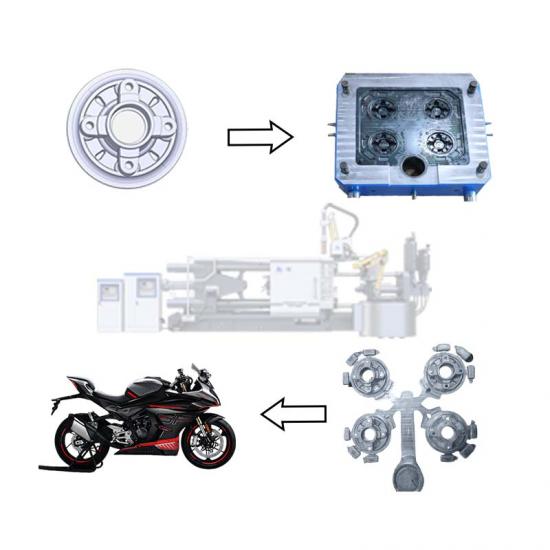
Die‑casting technology forces molten metal into precision metal dies under high pressure. It produces dimension‑accurate alloy parts widely used in transportation, hardware, smart locks and industrial equipment. Major processed materials include aluminum, zinc and magnesium.
Key Market Growth Drivers
- Rising demand for lightweight vehicles Automakers adopt high‑pressure die‑casting (HPDC) to produce lightweight aluminum components. Growing vehicle sales further boost equipment procurement for die‑casting workshops.
- Popularization of high‑pressure die‑casting technology Technical upgrades expand application boundaries of die‑casting machines. More component manufacturers replace traditional casting processes with HPDC for higher precision and output efficiency.
- Expanding manufacturing capacity in Asia‑Pacific Asia‑Pacific holds the dominant market share. Automotive expansion, construction investment and rising number of machinery factories in emerging markets fuel regional market expansion.
Main Market Challenges
- Volatile raw material prices Price fluctuation of aluminum, zinc and magnesium brings cost pressure for end‑product manufacturers, which may delay equipment investment plans.
- High technical threshold for advanced models High‑end die‑casting equipment requires long‑term technology accumulation. Complete machine performance, energy‑saving control and peripheral matching systems form obvious barriers for new entrants.
Major Technical Trends
- Energy‑saving intelligent die‑casting units Leading brands launch dedicated energy‑saving modes. For example, ECO‑FIT Plus solution can cut machine energy consumption by up to 60%.
- Integrated cell control & diagnostic system Modern die‑casting machines are equipped with central control systems to manage peripheral devices. Built‑in diagnosis functions reduce downtime and improve production stability.
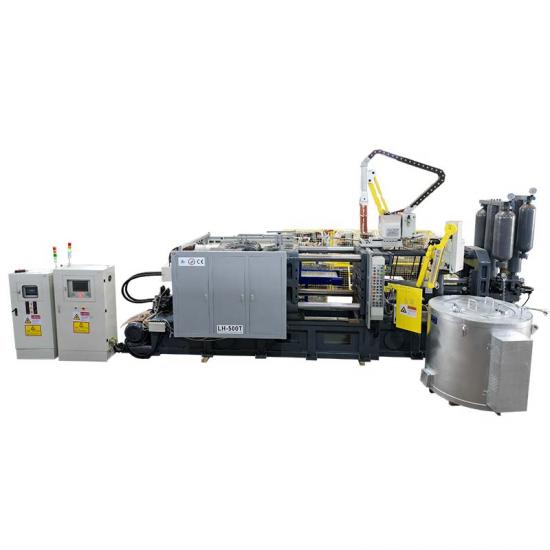
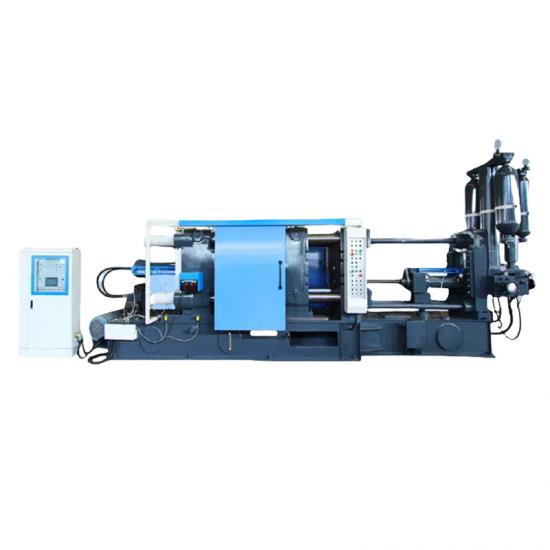
- Diversified equipment types for different materials Three mainstream equipment types cover most production scenarios:
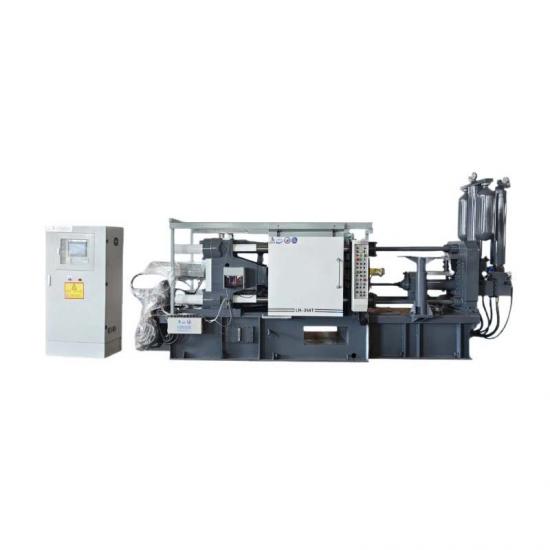
- Cold‑chamber die‑casting machine: mainly for aluminum and magnesium alloy
- Hot‑chamber die‑casting machine: suitable for zinc alloy mass production
- Gravity die‑casting machine: projected to achieve notable growth in the forecast period
Market Segmentation
By Processing Material
- Aluminum: largest share, widely used in automotive lightweight parts
- Zinc: applied for hardware, locks and decorative components
- Magnesium: growing demand for lightweight structural parts
- Others: composite and special alloy materials
By End‑User Industry
- Transportation: The largest consumption segment, maintains leading position
- Mechanical & manufacturing equipment
- Building & construction
- Other industrial scenarios
By Geographic Region
- Asia‑Pacific: Dominant market, expected to maintain the highest growth rate
- Europe: Mature market, high demand for high‑efficiency and low‑energy equipment
- North America: Stable replacement demand for old equipment
- LAMEA (Latin America, Middle East, Africa): Gradually rising manufacturing demand
Competitive Landscape
Global well‑known die‑casting machine suppliers include Bühler AG, Italpresse Gauss, Idra, Oskar Frech, UBE, Toyo Machinery and other enterprises.
Major competition strategies in the industry:
- Strategic acquisitions to complete product matrix and expand regional service network
- Continuous R&D of energy‑saving and intelligent functions
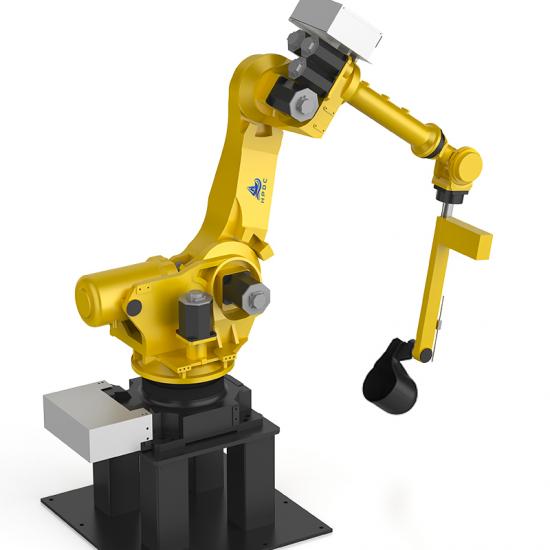
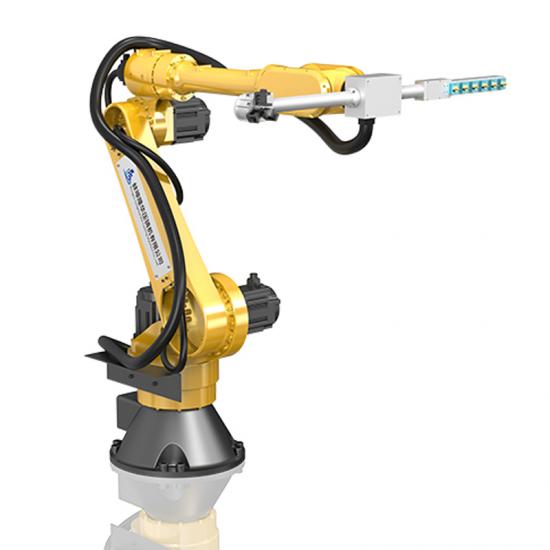
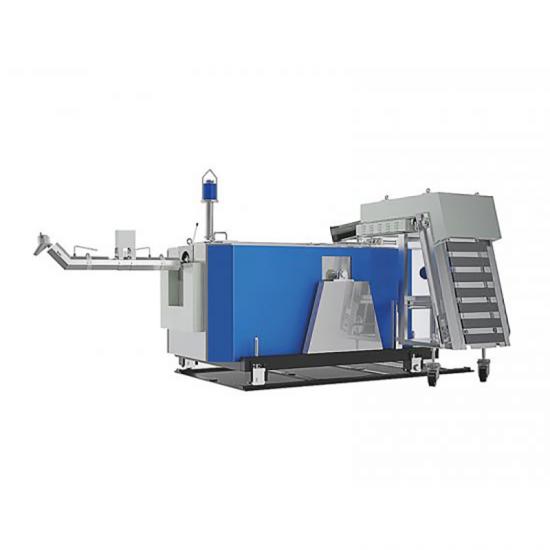
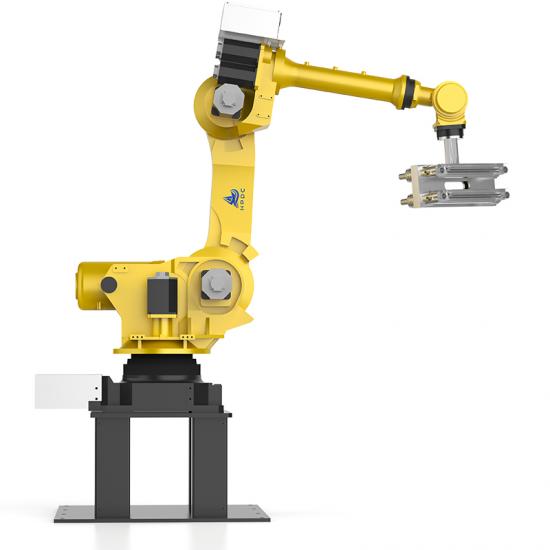
- Optimize complete‑set solutions including furnace, robot and peripheral accessories
Conclusion
The global die‑casting machine market maintains stable growth supported by automotive lightweight. Energy‑saving, intelligence and complete‑set solution capability will become core competitive points for equipment suppliers.
Asia‑Pacific remains the core growth engine. For die‑casting machine manufacturers, focusing on aluminum‑magnesium lightweight application and improving after‑sales service will help capture more overseas market opportunities.