


The global die casting machinery market continues steady expansion, with authoritative forecasts showing the market value grew from USD 2 billion in 2020 and is projected to reach USD 4 billion by 2026, maintaining a CAGR above 6% from 2021 to 2026. Though the industry faced temporary slowdowns during the COVID-19 period due to global supply chain disruptions and trade restrictions, recovering raw material output and rebounding manufacturing activity have fueled continuous market recovery.
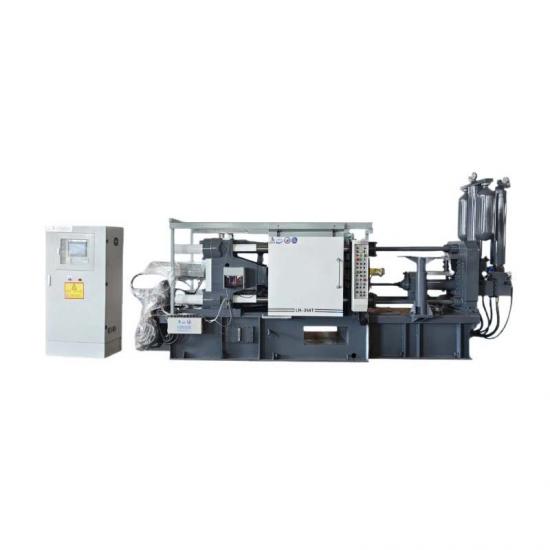
The core growth drivers lie in the booming lightweight vehicle industry and the widespread adoption of high-pressure die casting technology. Automotive manufacturers increasingly rely onaluminum die casting machines to produce lightweight alloy components, effectively reducing vehicle weight and energy consumption. Rising automobile sales and expanding automotive production capacity further boost market demand for professional die casting equipment.
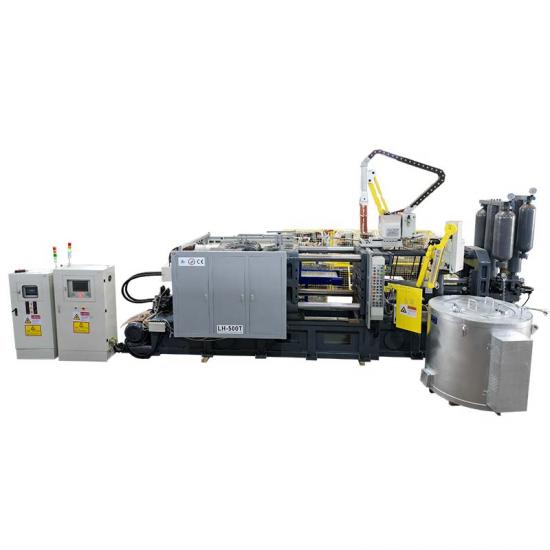
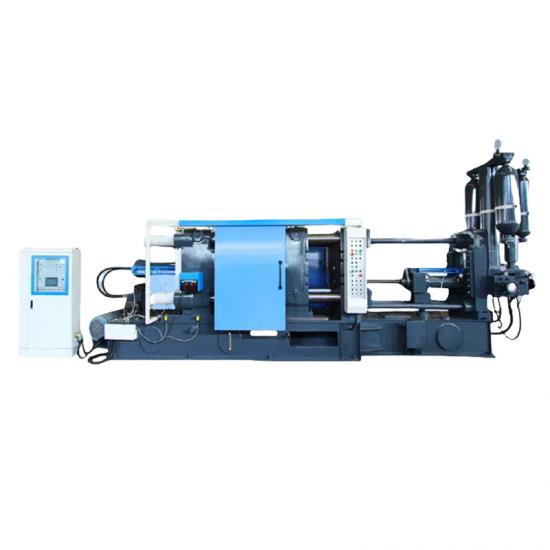
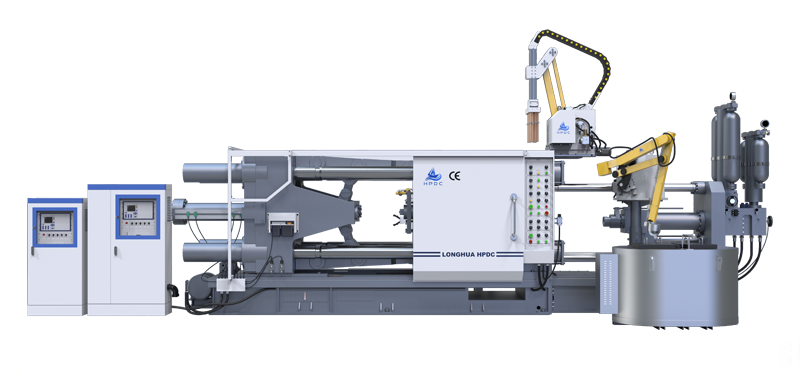
Geographically, the Asia Pacific region dominates the global die casting machine market, supported by robust manufacturing development in China, India and other emerging economies. Meanwhile, growing demand for industrial precision instruments steadily propels market growth in North America. The market is segmented by machine type into cold chamber die casting machines and hot chamber die casting machines, covering automotive, 3C electronics and other industrial sectors with aluminum and magnesium as mainstream raw materials.
Stringent global carbon emission regulations and rapid electric vehicle popularization further accelerate industry upgrading. EU CO₂ reduction targets for new vehicles strongly promote lightweight aluminum alloy applications, making aluminum the most favored material in modern die casting machinery production. Driven by lightweight trends and environmental policies, the global die casting industry will maintain stable and high-quality growth in the next few years.