


BENGBU, China – September 01, 2026 — Bengbu LongHua Die‑casting Machine Co., Ltd., a trusted Chinese manufacturer with more than 40‑year experience designing and producing industrial die‑casting equipment, has published a professional technical guide explaining hot‑chamber die‑casting, its operating principles, suitable alloys and core differences from cold‑chamber die‑casting, to help global foundry buyers select the right casting solution for mass‑production projects.
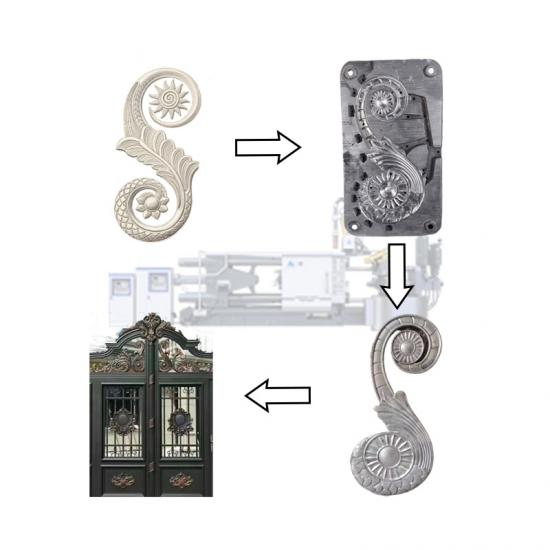
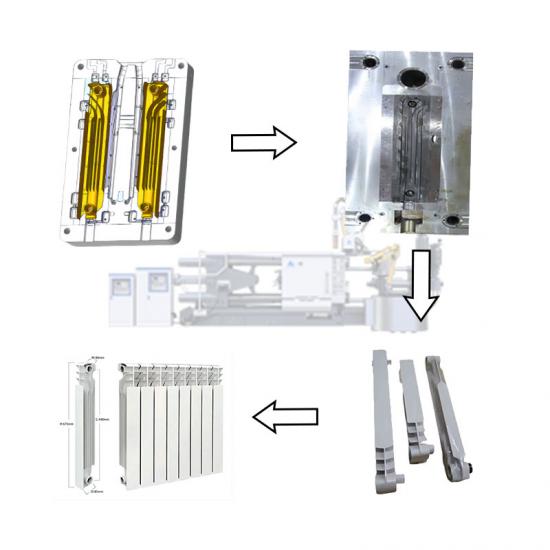
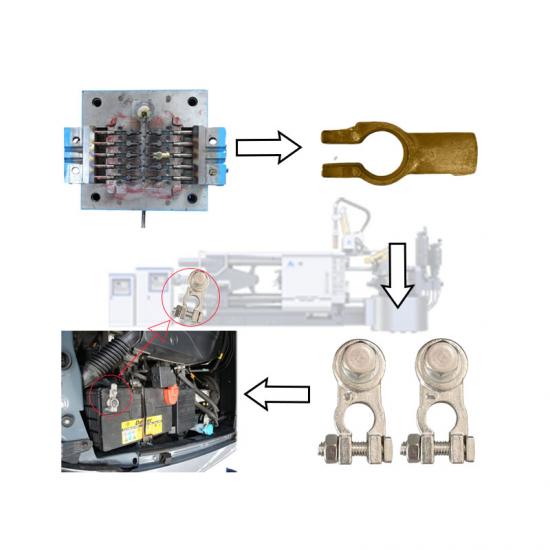
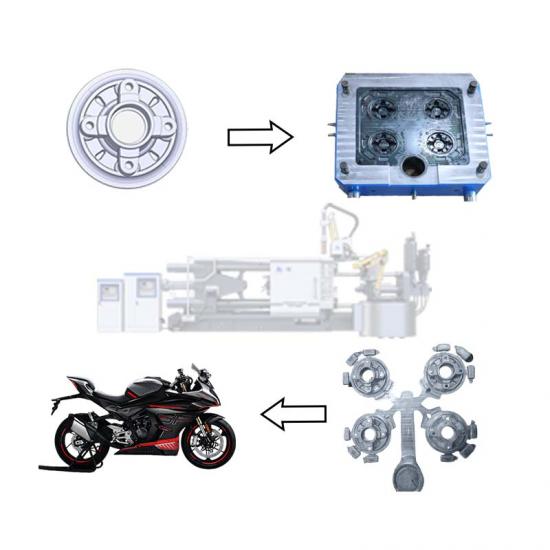
Die‑casting falls into two primary categories: hot‑chamber die‑casting machine and cold‑chamber die‑casting machine. The final selection depends on product specifications and manufacturing goals. As a high‑pressure permanent‑mold forming technology invented in the early 20th century, die‑casting can deliver complex‑shaped components with fine‑detailed surfaces, high dimensional accuracy and ultra‑thin wall sections as thin as 0.5 mm. Finished parts range from hardware components, motor housings and carburetors to automotive safety accessories, electronic shells and lightweight medical‑equipment parts.
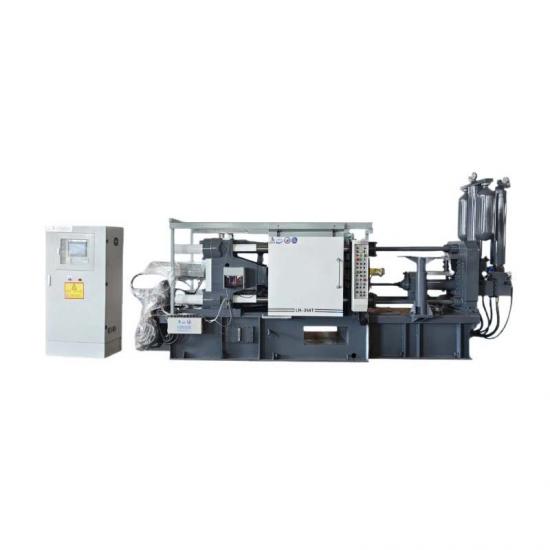
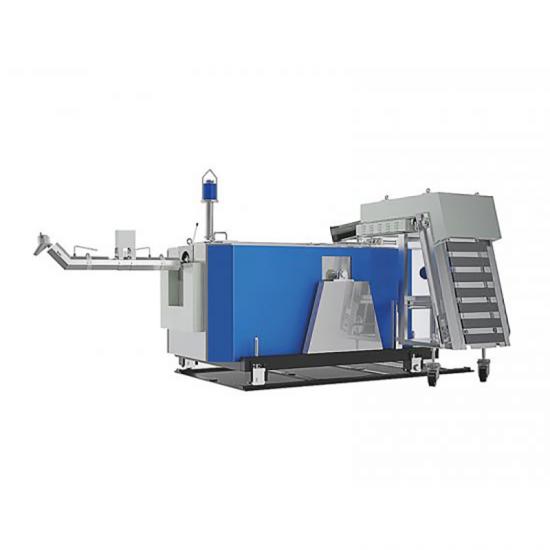
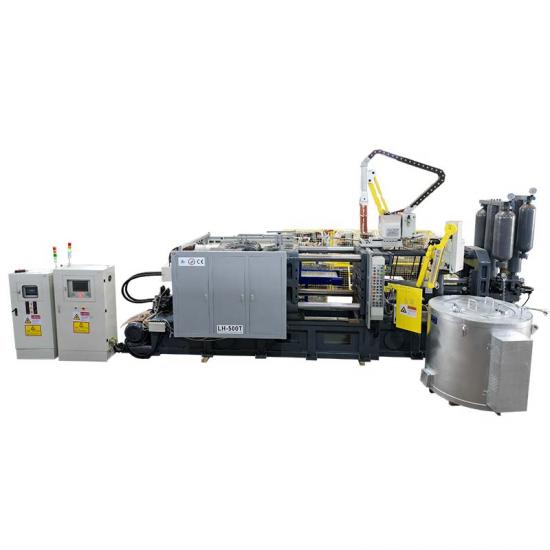
In hot‑chamber die‑casting machine, molten metal is heated inside the gooseneck‑style die‑casting machine. A built‑in furnace keeps metal melted, then a hydraulic piston injects liquid metal into the mould at high speed. Thanks to its shorter cycle time, hot‑chamber equipment is ideal for high‑output, large‑batch‑production projects.
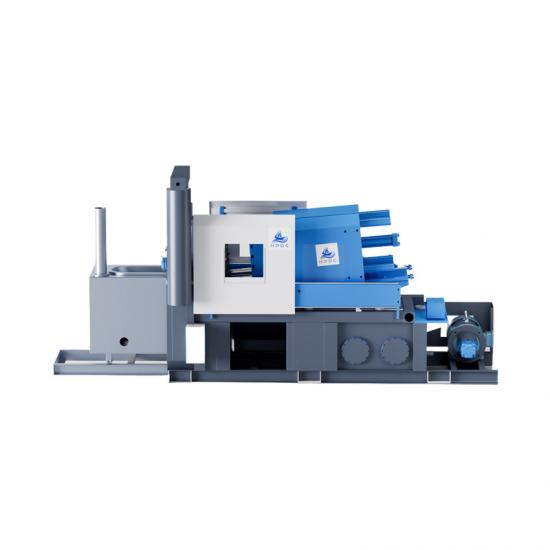
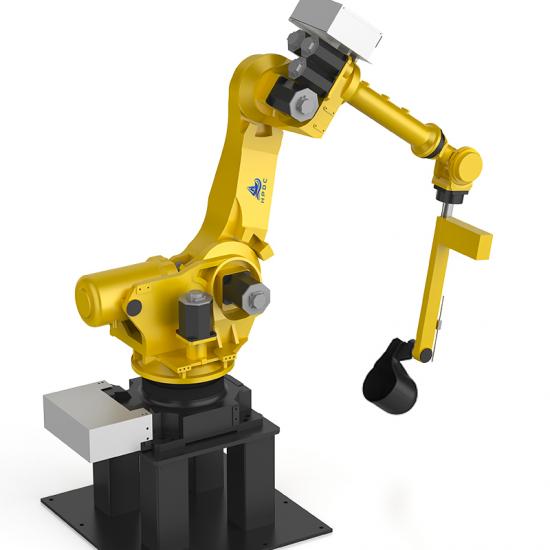
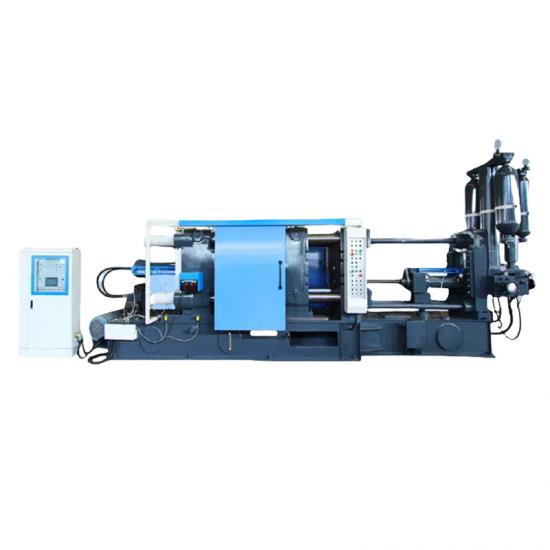
Unlike hot‑chamber units, cold‑chamber die‑casting machines do not melt metal on board. Molten alloy must be poured manually or by automatic ladle systems into the shot chamber before high‑pressure injection.
Long‑term equipment‑operation data shows hot‑chamber die‑casting machines are best suited for low‑melting‑point metals, such as zinc and magnesium alloys. High‑melting‑point materials including aluminum will erode and damage plungers and internal components, leading to frequent costly spare‑part replacement.
Zinc‑alloy castings feature balanced hardness, strength, excellent wear‑resistance, outstanding electrical‑thermal conductivity, thin‑wall forming capability, good corrosion resistance and full recyclability. They serve as a cost‑effective substitute for stamped, machined parts in automotive and consumer‑electronics sectors. Magnesium, the lightest commercial die‑casting alloy, delivers remarkable strength‑to‑weight performance, reliable EMI‑RFI shielding effects, stable high‑temperature performance and premium surface finish, making it perfect for electrical connectors, equipment housings and medical signal‑sensitive devices.
With over four decades of R&D and manufacturing experience, Longhua supplies both hot‑chamber and cold‑chamber die‑casting machines and offers fully‑customized equipment solutions tailored to customers’ zinc‑alloy and magnesium‑alloy production demands. Global manufacturers requiring technical consultation or custom‑die‑casting‑machine quotation are welcome to reach out via WhatsApp: 19105526587 or Email: Info@longhuamachine.com.