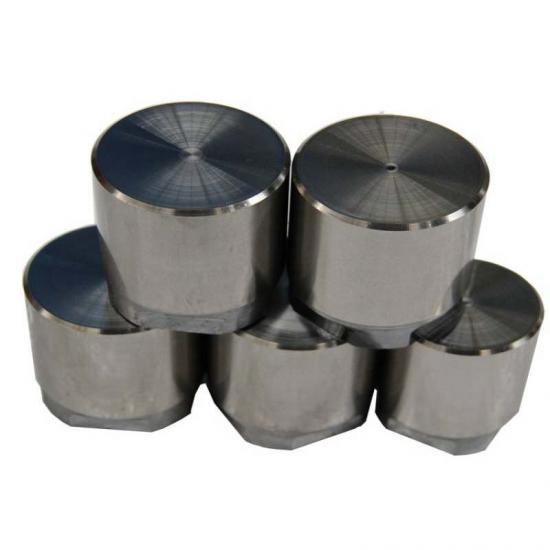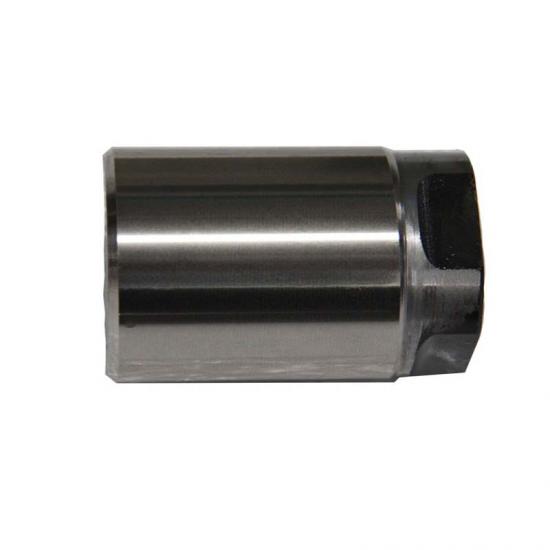
core selling point
✅Original size chain matching, precise gap without loss of pressure
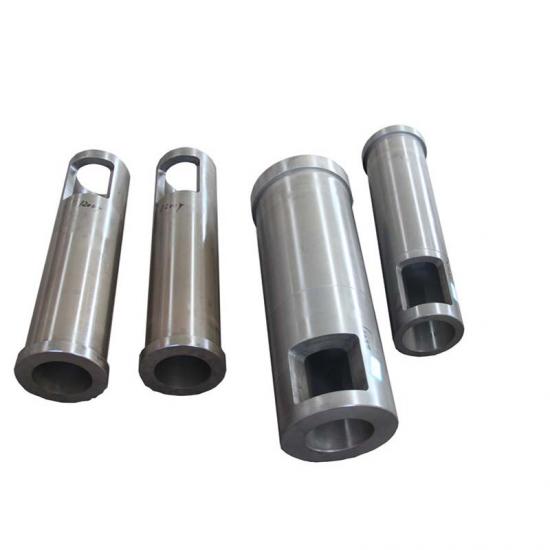
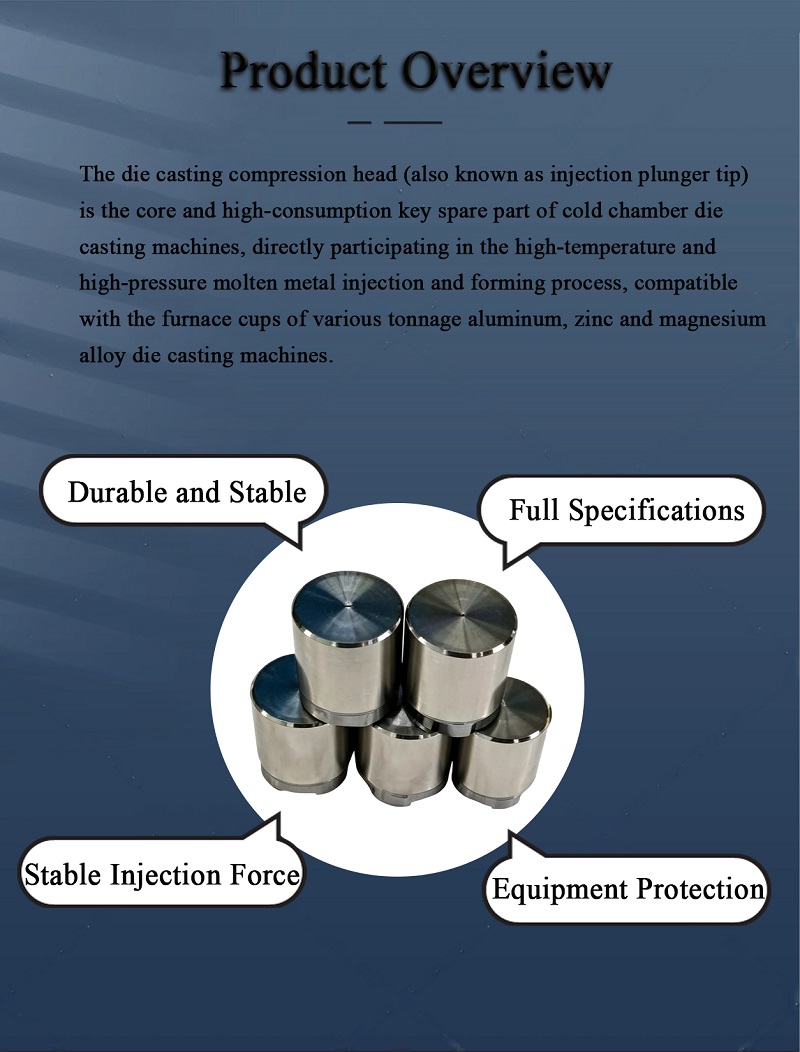
One-to-one matching is based on the actual measured inner diameter of Longhua's injection chamber. The roundness and concentricity are controlled at the micron level, and the matching gap is accurately set according to the alloy type. If the gap is too large, it will cause aluminum leakage, flash, and loss of injection pressure; if the gap is too small, it will jam and strain the pressure chamber. Precise clearance is the key to whether the injection head can work stably for a long time, and it is also our biggest advantage compared to general-purpose parts.
✅High hardness, wear resistance, thermal fatigue resistance, long life
Made of beryllium copper alloy, ductile iron, high-chromium heat-resistant alloy steel and other materials, the working surface has high hardness and dense structure, which can withstand high-temperature erosion of molten aluminum and repeated thermal shocks, and is not easy to collapse, crack, or deform. Under normal working conditions, the life span can reach tens of thousands of mold cycles, significantly reducing replacement frequency and downtime costs.
✅Efficient water-cooling structure, stable temperature control, no aluminum hanging
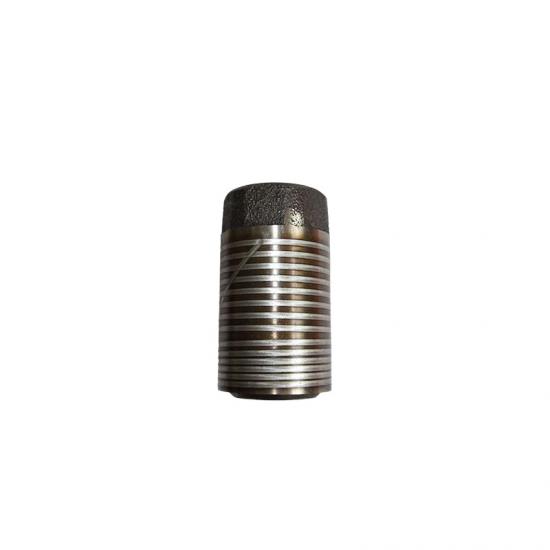
Single-cavity straight-through water-cooling or double-spiral water-cooling structure, the cooling water directly reaches the high-temperature area at the front end of the punch, which dissipates heat quickly and has a uniform temperature field. It can significantly reduce the cylinder pull caused by aluminum slag and aluminum slag accumulation at the front end of the punch, and also reduce the thermal deformation of the pressure chamber and punch.
✅Protect the pressure chamber and extend the life of the whole machine
The injection head is the main source of wear of the pressure chamber. Reasonable hardness matching, high surface finish, and accurate gap control can greatly reduce the wear and strain on the inner wall of the pressure chamber, significantly extend the replacement cycle of the pressure chamber, and lower the cost of consumables throughout the life cycle of a piece of equipment.
✅Quick-change structure saves time when changing outfits
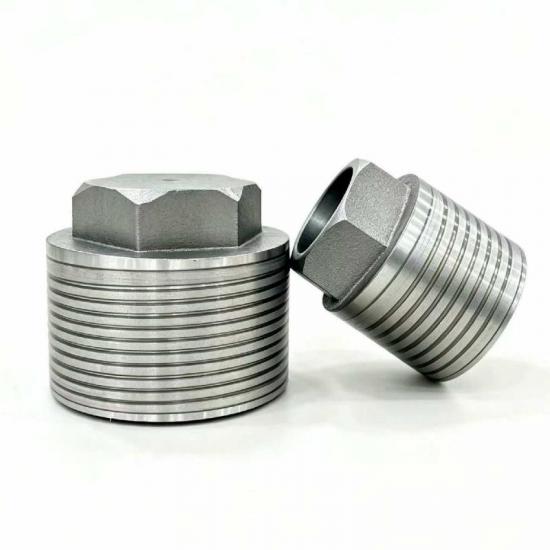
Clamp-type and thread-type quick-change structures are optional. No special tooling is required for disassembly and assembly. It usually only takes ten minutes to change punches, which reduces downtime for mold and parts changes. It is suitable for production lines with multiple varieties and small batches that frequently change production.
✅Complete machine + consumables integrated package
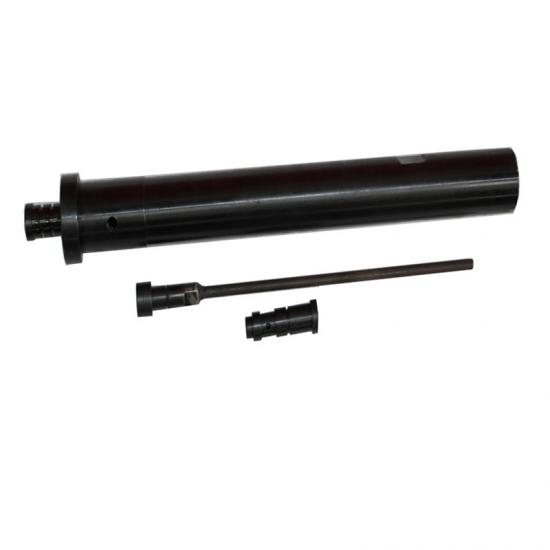
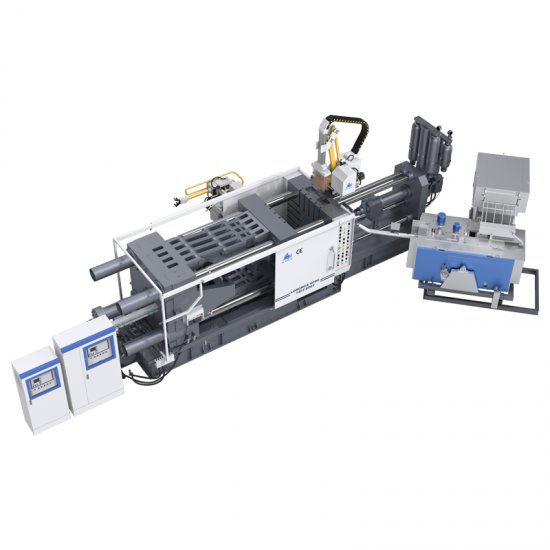
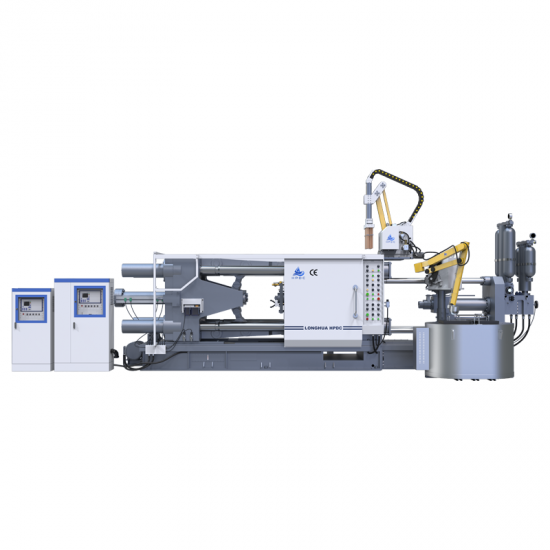
Longhua's self-developed die-casting machine, pressure chamber, injection rod, and injection head are fully matched and debugged immediately after leaving the factory. It also provides process support such as punch lubrication, pressure chamber maintenance, and abnormal wear diagnosis, with direct price and no intermediate links.
How to use
-
Check specifications: Before installation, check the diameter, length, cooling interface and pressure chamber diameter of the injection head, and confirm that the clearance meets the requirements of the alloy grade.
-
Clean the pressure chamber: Clean the aluminum slag and old lubrication residue on the inner wall of the pressure chamber, check whether there is any strain or elliptical deformation in the pressure chamber, and repair or replace it if necessary.
-
Installation: Install the injection head to the front end of the injection rod, lock it according to the clamp or thread method, and check that the end face fits, there is no deflection, and there is no looseness; manually push the injection chamber the entire way to confirm that there is no jamming or scratching.
-
Connect the cooling water: Connect the inlet and outlet water lines, turn on the water first, and then turn on the machine. Make sure the water flow is smooth, there is no leakage, and the outlet water temperature is normal. Dry operation without water is strictly prohibited.
-
Lubrication: Use punch lubricant (punch oil or particle lubrication) according to process requirements to ensure a uniform lubricating film on the inner wall of the pressure chamber and reduce dry friction.
-
Test run: low-speed air pressure injection for several times to check smooth operation, no abnormal noise, and no aluminum leakage, and then gradually increase the process parameters to formal production.
-
Routine inspection: Check the front end of the punch every shift for aluminum sticking, sagging, cracks, and whether the gap has become larger due to wear; measure the outer diameter regularly and replace it if it exceeds the tolerance.
-
Replacement: When replacing, first release the pressure, cut off the water, and clean the pressure chamber and punch residue.
Conventional dimensions of injection head (part)
|
40*70
|
70*100
|
100*110
|
40*70
|
90*110
|
|
40*80
|
80*80
|
110*120
|
40*80
|
90*120
|
|
40*90
|
80*90
|
120*120
|
40*90
|
100*90
|
|
80*100
|
120*130
|
50*70
|
100*110
|
|
50*80
|
90*90
|
45*80
|
50*80
|
100*120
|
|
50*90
|
90*100
|
70*110
|
50*90
|
110*130
|
|
60*70
|
90*110
|
80*110
|
60*70
|
120*110
|
|
60*80
|
100*90
|
110*130
|
60*80
|
120*140
|
|
60*90
|
100*100
|
110*140
|
60*90
|
130*120
|
|
60*100
|
100*110
|
120*140
|
70*90
|
130*130
|
|
70*70
|
100*120
|
130*140
|
80*90
|
120*170
|
|
70*80
|
100*130
|
80*140
|
80*110
|
|
|
70*90
|
110*100
|
140*140
|
90*90
|
|
(Note: This specification is part of the conventional specifications, other specifications can be customized according to the drawings.)

Company introduction
Bengbu Longhua Die-casting Machine Co., Ltd. is located in Bengbu, Anhui, an old industrial base and a national comprehensive transportation hub. It is a high-tech enterprise focusing on the design, research and development, production, sales and global after-sales service of various die-casting machines and supporting equipment. The company traces its origins to 1950, and officially started the R&D and manufacturing of die-casting machines in 1982. As a pioneer in the domestic die-casting machine industry, Longhua has been deeply involved in the industry for decades, continuing to deepen technological innovation and promote product iteration, and has accumulated solid technical accumulation and rich industry experience.
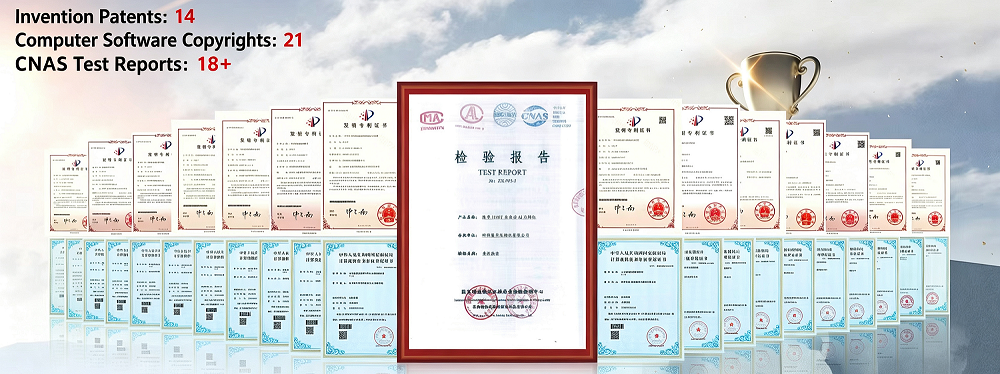
The company's product line has a complete layout. It mainly operates core machines such as cold chamber die-casting machines and hot-chamber die-casting machines. It is also equipped with die-casting manipulators, industrial robots and various die-casting auxiliary equipment. It has built a complete product matrix and can provide integrated die-casting production solutions to customers in different industries. The company has made great achievements in innovation, with 14+ invention patents and 21+ computer software copyrights. It is the leading developer of the group standard for "Artificial Intelligence Cold Chamber Die Casting Machine". At the same time, the products have CNAS test reports and CE certificates, and quality compliance is guaranteed.
At present, Longhua's products have been exported to more than 50 countries and regions around the world. With stable and reliable equipment performance and excellent production efficiency, they are widely used in key fields such as automobile manufacturing, aerospace, and electronic information, and have gained widespread trust and praise from customers at home and abroad.

FAQ
Q1: What is the relationship between the injection head and the pressure chamber? Do you want to leave a gap?
The injection head reciprocates in the pressure chamber, pushing the aluminum liquid into the mold cavity. It should be noted that a gap must be left between the two: if it is too small, it will get stuck and strain the pressure chamber; if it is too large, aluminum will run away and flash will appear.
Q2: How often should I change it? What is the approximate lifespan?
Typical 30,000-80,000 modes vary greatly depending on alloy, specific pressure, cooling and lubrication. Don't change based on time, change based on data. Five judgments: the gap exceeds the upper limit, the end face cracks are >0.5 mm, the copper ring has axial scratches or collapse, continuous water seepage, and the frequency of aluminum cleaning is increased. Replace any item that appears.
Q3: What to do if it gets stuck? Can it be forced out?
Cannot be hardtopped. The hard top will pull the pressure chamber out of the groove and even bend the pressure rod. The correct approach is to stop the machine, let the pressure chamber naturally cool down to below 200°C, and then use a special tool to slowly push it out from the rear end. If necessary, dismantle the pressure chamber. After taking it out, the gap and coaxiality must be re-measured to find out whether it is a gap problem, a lubrication problem or a deformation of the pressure chamber, otherwise it will get jammed when it is put back.
Q4: What is the reason for the aluminum running at the rear of the pressure chamber?
The most common cause is that the gap exceeds the upper limit: the copper ring is worn, the pressure chamber is worn, or the end face is uneven, causing the local gap to become larger. Secondly, the injection head and the pressure chamber are not coaxial, and the gap is larger on one side and smaller on the other. Measure the gap first, then look at the end face and coaxiality. Don't use "increasing the injection force" to press the aluminum, as it will only accelerate wear and tear.
Q5: The pressure chamber is strained. Is it a problem with the injection head?
Not entirely. If the copper ring is too hard, has aluminum clamped in it, is lubricated out of gear, or has a gap that is too small, it will strain the pressure chamber; if the pressure chamber itself is made of poor material, Ra is too thick, or is partially worn, it will in turn strain the copper ring. After the strain, the minor ones may be polished, and the severe ones may be boring cylinders or pressure chambers. At the same time, the lubrication and clearance must be checked, otherwise the new parts will be pulled again.
Q6: What should I do if the aluminum is stuck on the end surface?
Check the cooling first: insufficient flow, too high water temperature, scaling of water channels, and water outage are all direct causes of aluminum sticking. Check the amount of lubrication again - too little will cause wear, too much will "paste" the aluminum on the end face. Do not use a chisel to shovel the glued aluminum, as it will damage the end surface. Use a special mold remover or apply soft scraping after heating. If the sticky layer appears repeatedly, replace it.
Q7: Can I still use it if the end face is cracked?
Shallow fine cracks can be observed and used, but inspections must be intensive; deep cracks, cracks forming a network, and the risk of falling pieces must be replaced immediately. Give one judgment line: replace if the crack depth exceeds 0.5 mm. The consequence of falling pieces is scratching the pressure chamber, and the repair cost of tens of thousands of yuan is far more expensive than a single injection head.