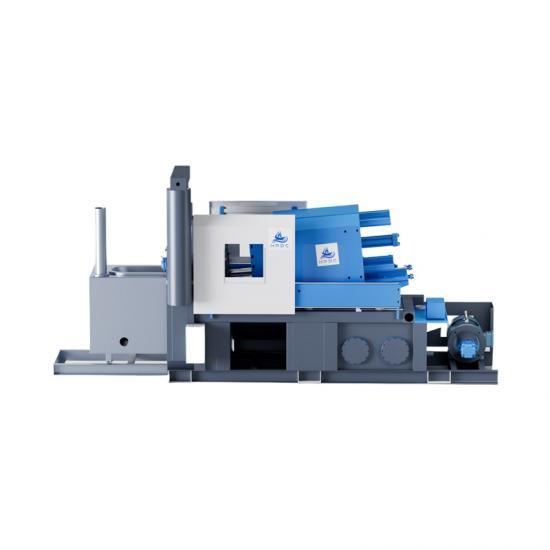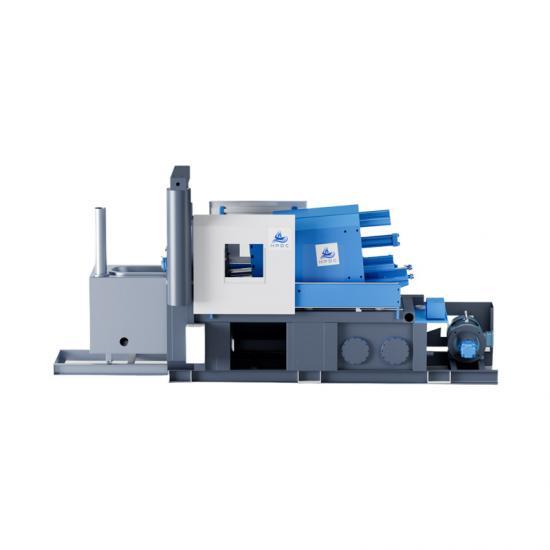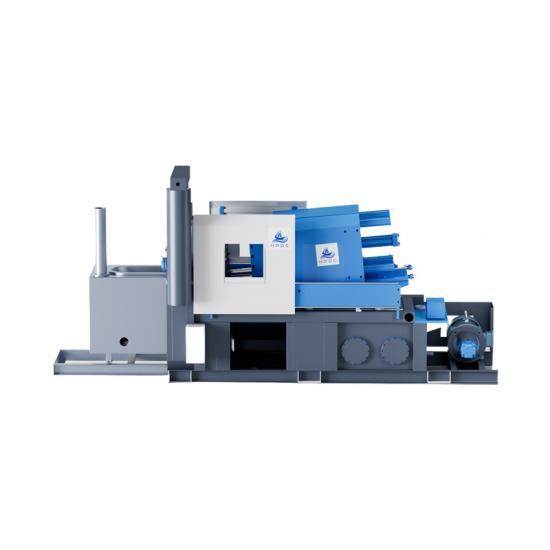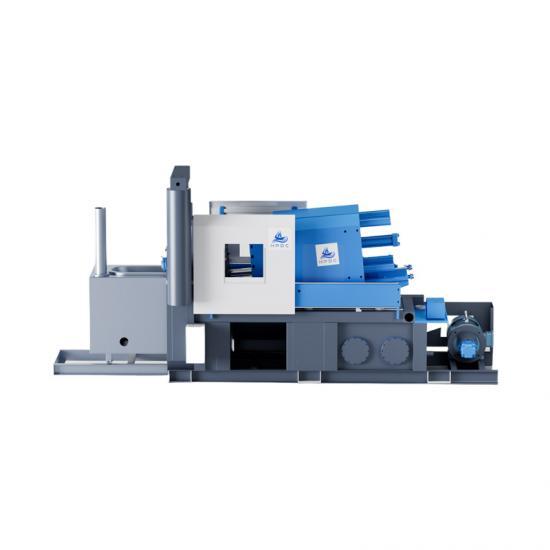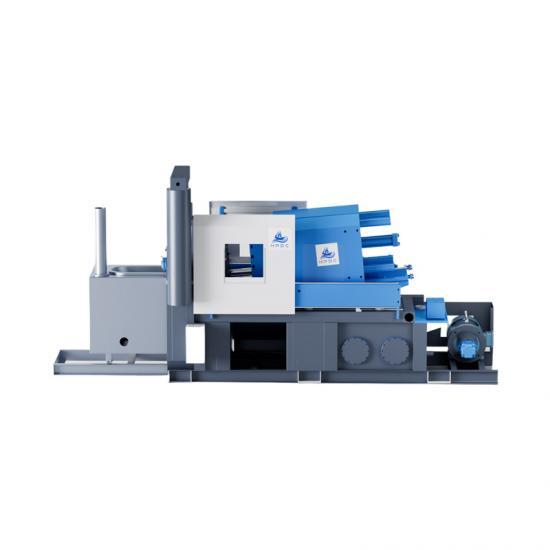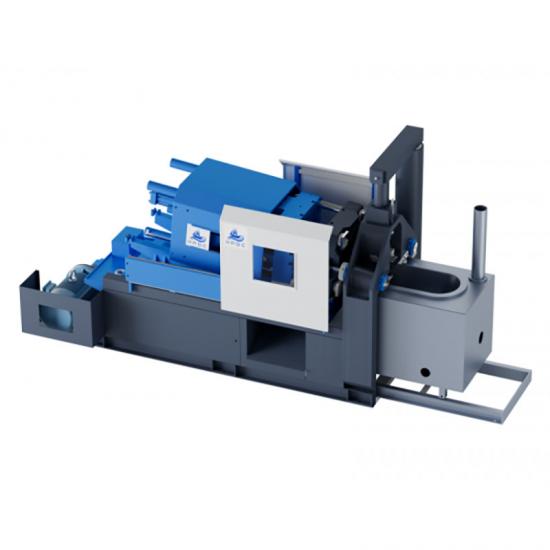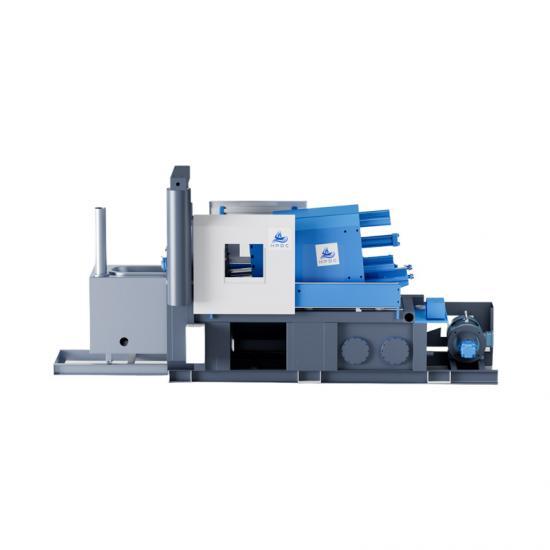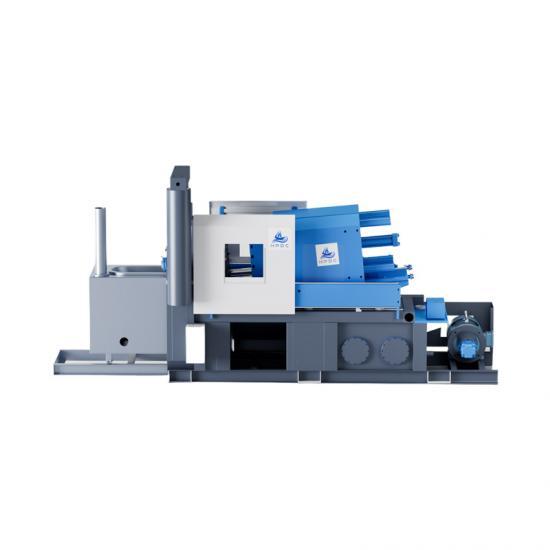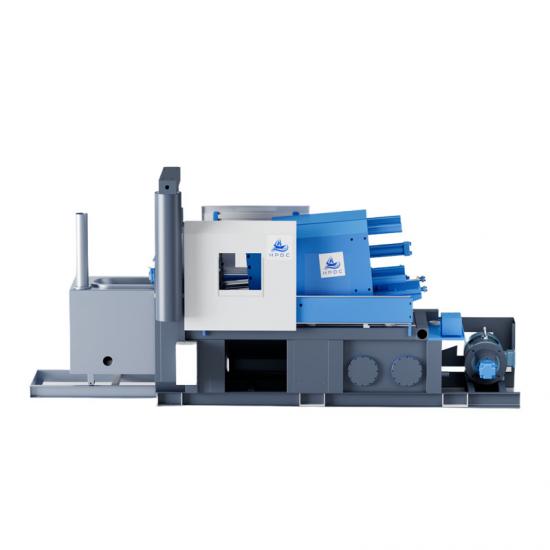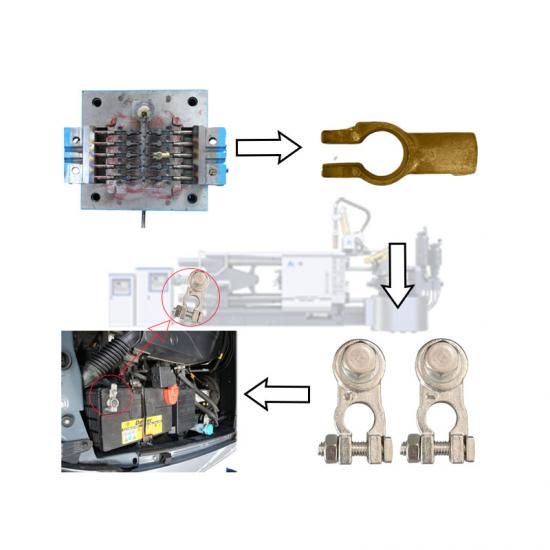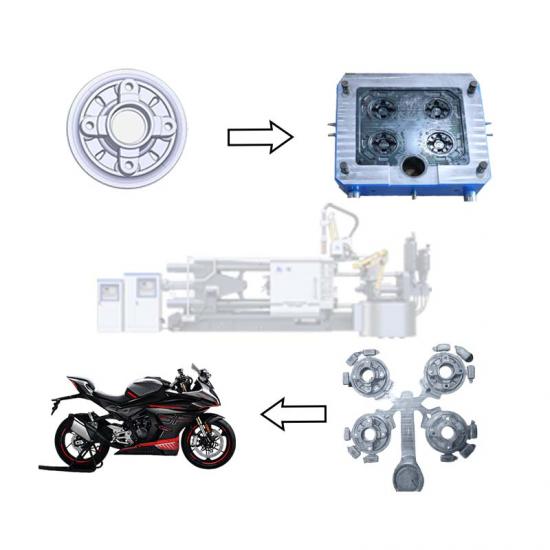



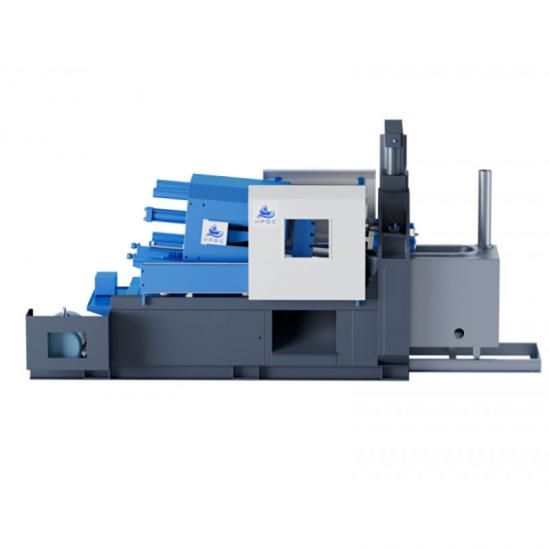


- Mold clamping: The movable platen moves forward, the mold is closed and locked, and the nozzle tip presses against the mold gate.
- Feeding (plunger upward): The plunger in the injection cylinder moves upward, opening the feed port, and the molten metal flows into the injection cylinder by gravity.
- Injection (plunger downward): The plunger moves downward to seal the feed inlet, hydraulically pump the metal into the gooseneck, and inject it into the closed cavity through the nozzle at high speed.
- Pressurization and pressure-maintaining: After the cavity is filled, it is pressurized and compacted, and the metal solidifies and shrinks under pressure.
- Cooling and solidification: maintain pressure until the casting solidifies, and the nozzle tip maintains temperature to prevent metal from solidifying in the flow channel.
- Mold opening and ejection: After the mold is opened and the casting is ejected, the plunger returns to the upper position and enters the next cycle.
Core Selling Point
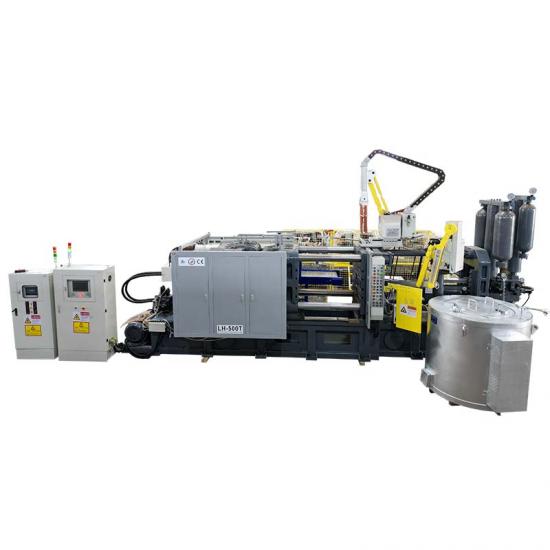
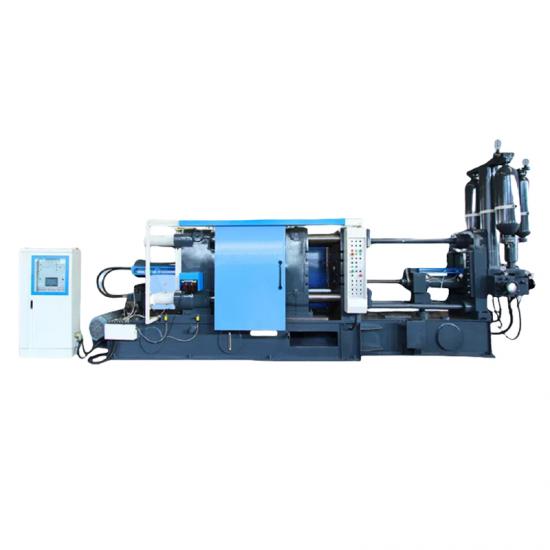
✅Complete tonnage coverage, from small parts with multiple cavities to large parts, there are corresponding models
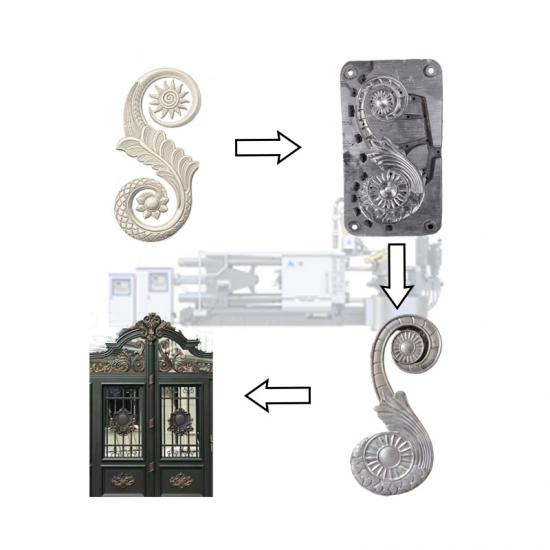
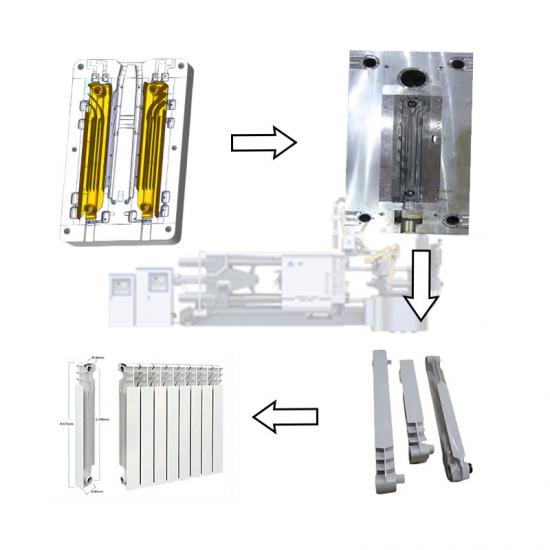
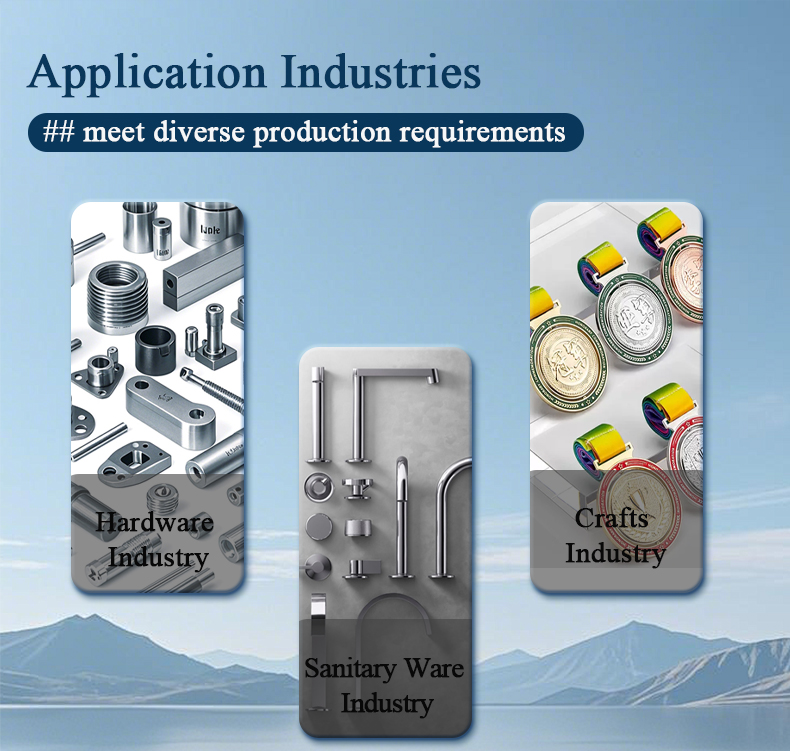
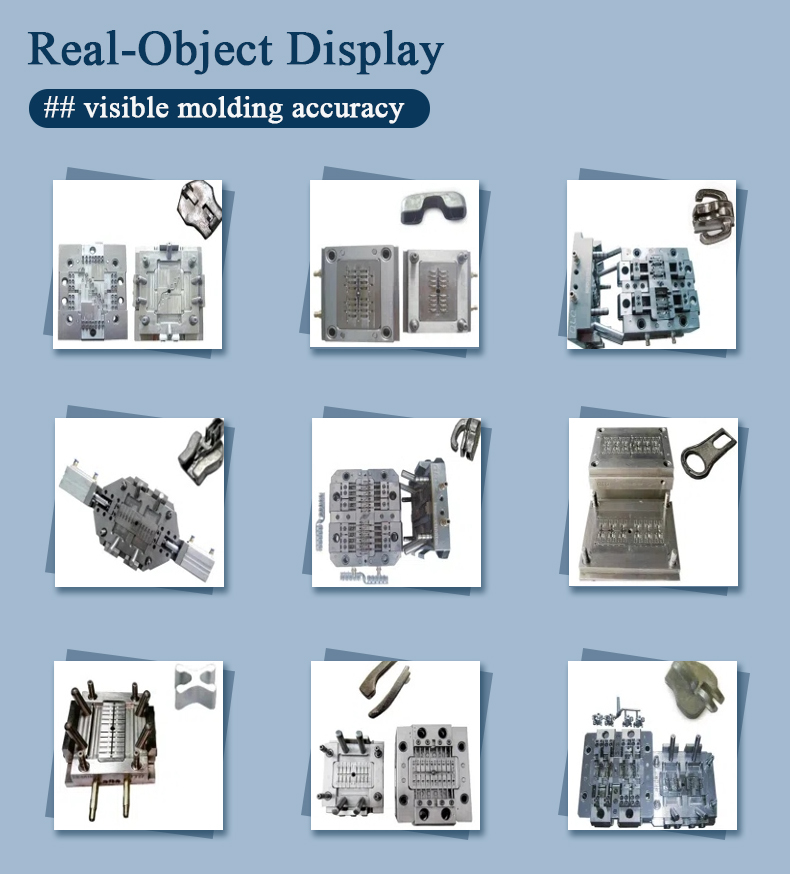
30T–450T complete sequence: small tonnage is suitable for multi-cavity small precision parts such as buttons and zipper pullers; medium and large tonnage can be used for large-sized zinc alloy parts such as locks, brackets, car models, etc. When customers expand production, they can be smoothly upgraded within the same brand series, and the processes and accessories are common.
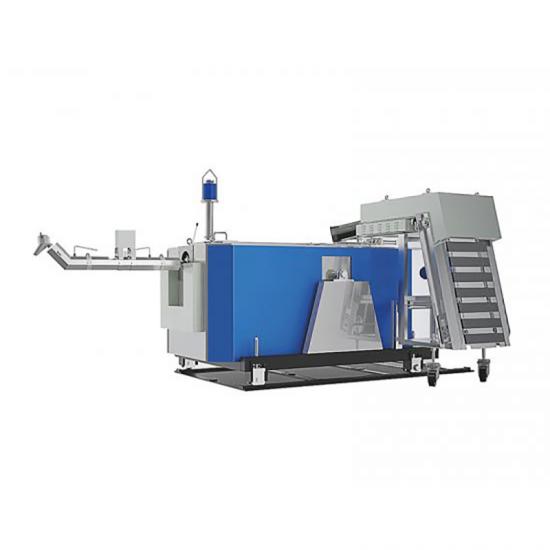
✅The hot chamber supplies ingredients in one piece, eliminating the need for soup, fast pace and low loss
The crucible has a built-in machine, and the molten metal is directly pressed into the mold cavity through the gooseneck. There is no need to scoop the material separately for soup. The cycle time is short and the oxidation and burning loss is small. It is suitable for high-speed continuous production of small parts and the daily output of a single machine is high.
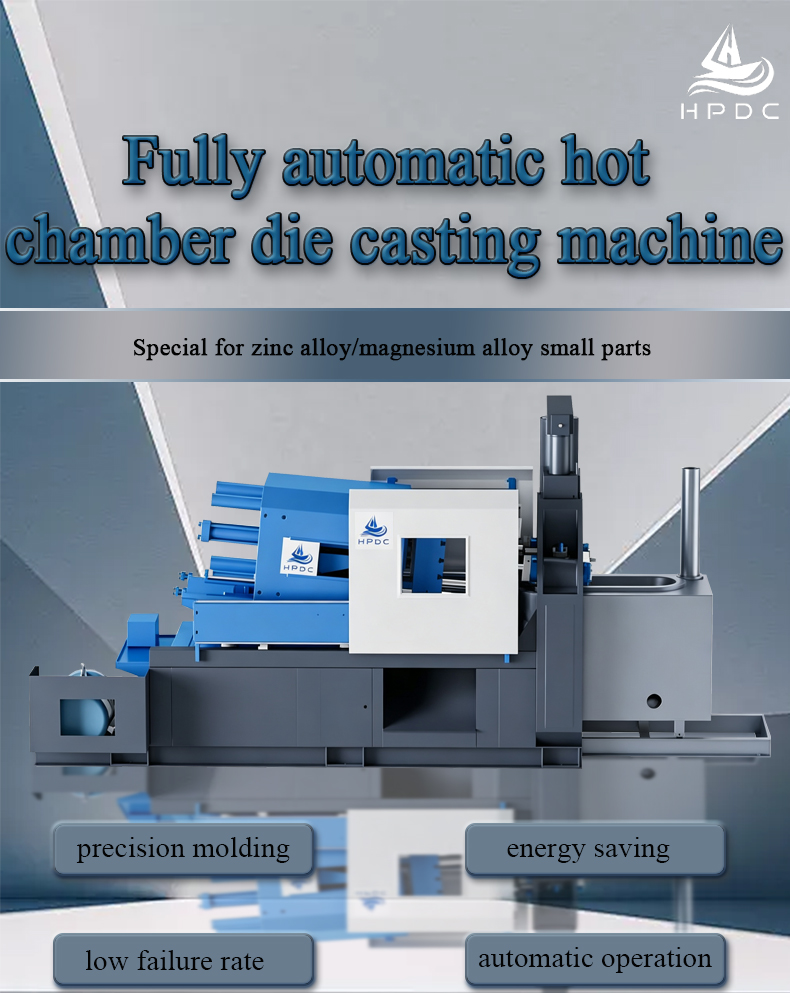
✅PLC segmented injection + optional servo, accurate molding, energy saving and material saving
The computer PLC adjusts the injection speed, pressurization, holding pressure and cooling time in stages, and multiple sets of mold recipes can be called with one click; the servo configuration supplies oil on demand, reducing no-load energy consumption. The surface of the casting is smooth, with few pores and flash, and the molding consistency is good.
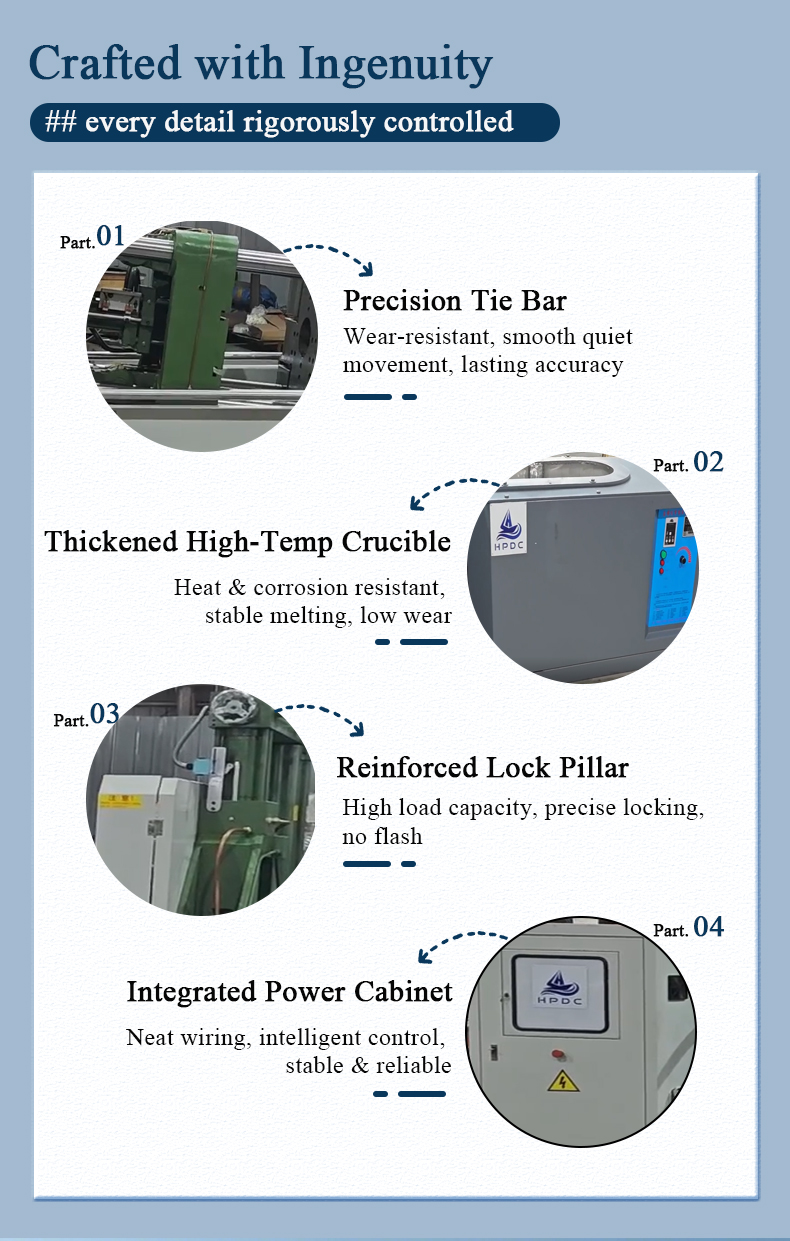
✅The clamping rigidity is sufficient to protect the mold and reduce flash
The fuselage is made of carbon steel welded, and key parts are heat treated to strengthen it. The inner distance of the coring pillar and the mold opening stroke are matched according to the tonnage. The mold clamping is stable and the impact is small. Complex parts and deep cavity parts are not easy to run out of materials and flash, and the mold life is guaranteed.
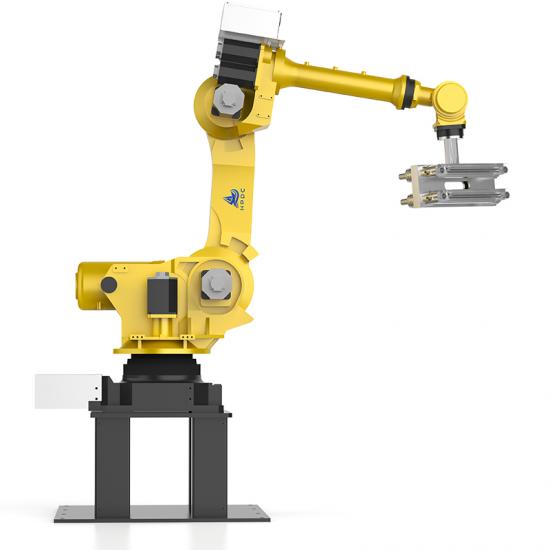
✅Strong automation expansion capability, can form a fully automatic die-casting island
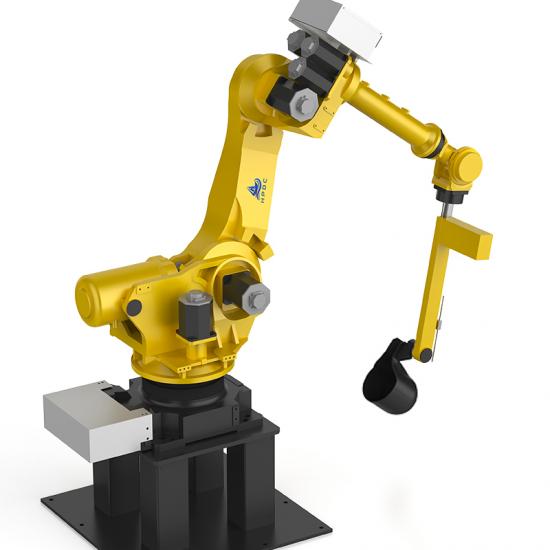
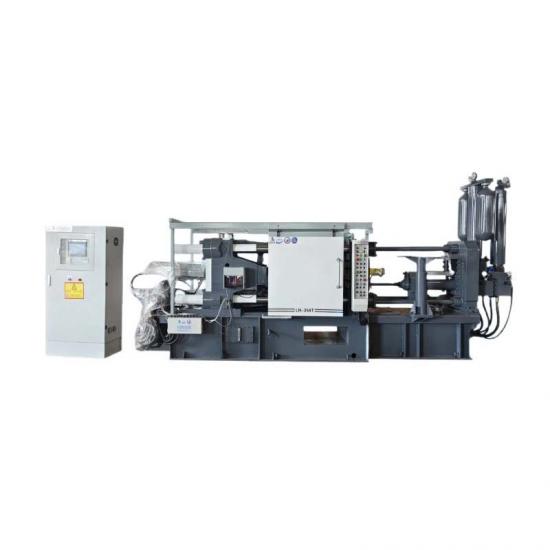
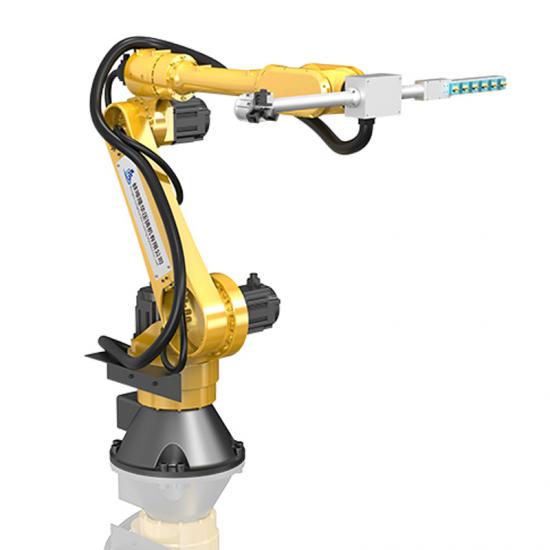
Interfaces for spraying, picking up, and conveyor belts are reserved, and can be used with Longhua servo sprayers, picking manipulators, industrial robots, and conveyor belts for online production; the original complete machine + peripheral equipment + consumables are included, and debugging and after-sales are completed in one stop.
✅Common accessories and perfect after-sales system
The material pot, gooseneck, nozzle, injection head, injection rod, nozzle, heating sheath and other consumable parts are supplied from the original factory; we provide pre-production samples, final factory inspection, video troubleshooting, on-site guidance from engineers and a priority policy for upgrading old customers.
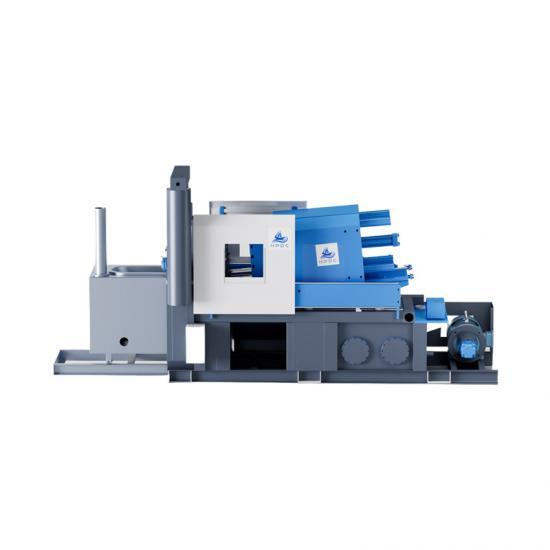
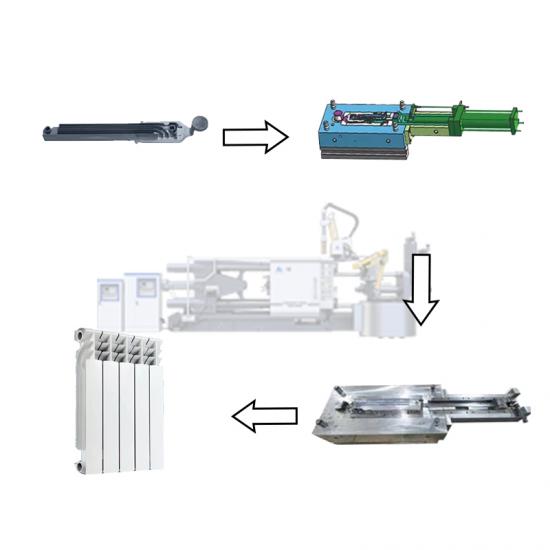
Working Cycle Of Hot Chamber Die Casting Machine
Product Parameters
|
Item |
Unit |
LH-HC-200T |
|
Die-locking Force |
kN |
2000 |
|
Die-stroke |
mm |
400 |
|
Clearance Between Tie Bars |
mm |
460*460 |
|
Die Thickness(Min/Max) |
mm |
220/560 |
|
Ejection Force |
kN |
110 |
|
Ejection Stroke |
mm |
100 |
|
Injection Force |
kN |
130 |
|
Plunger Stroke |
mm |
175 |
|
Shot Position |
mm |
0,125 |
|
Plunger-tip Diameter |
mm |
70,75 |
|
Shot Weight(Zn) |
kg |
2.5/2.9/3.3 |
|
Working pressure |
MPa |
12 |
|
Motor Rating |
kW |
15 |
|
Melting Pot Capacity |
kg |
720 |
|
Oil Consumption Of Burner |
kg/h |
6.3 |
|
Oil Tank Capacity |
L |
400 |
|
Weight Of Machine |
kg |
7800 |
|
Size(L/W/H) |
mm |
5800x1710x2500 |
(Note: We reserve the right to make any technical improvements without prior notice)
Company Introduction
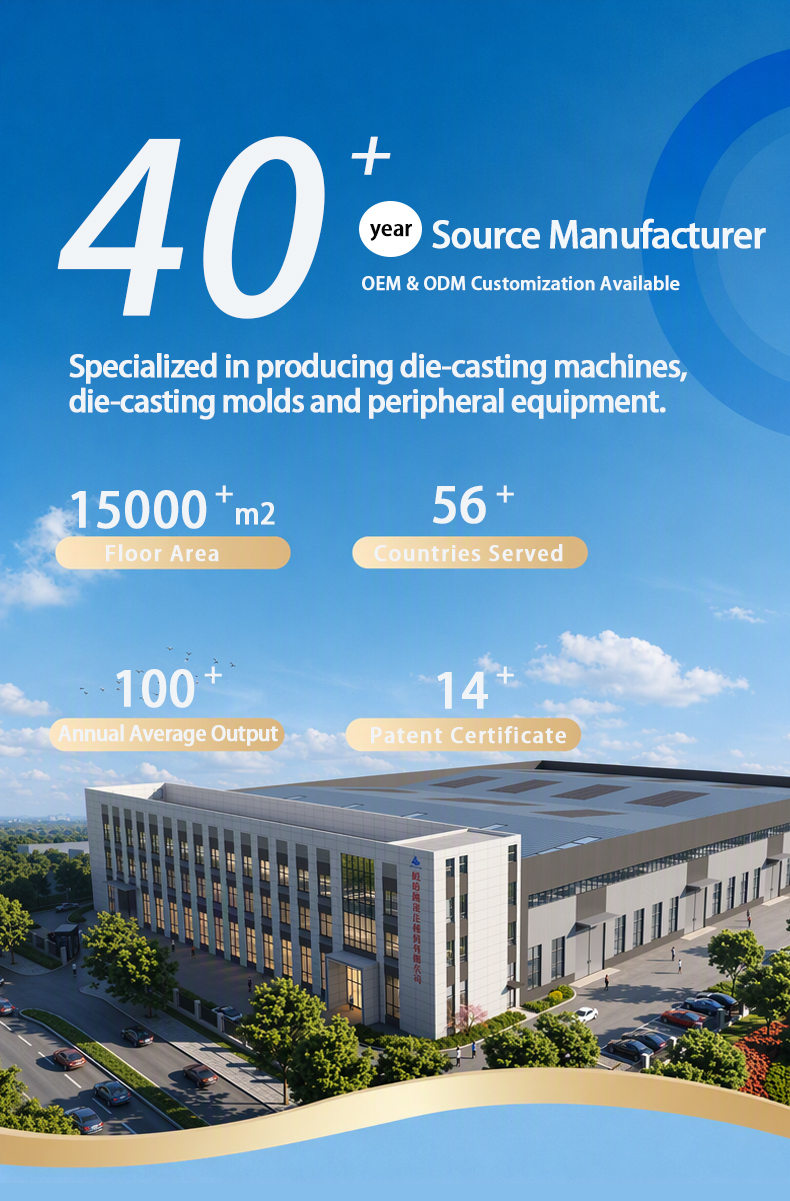
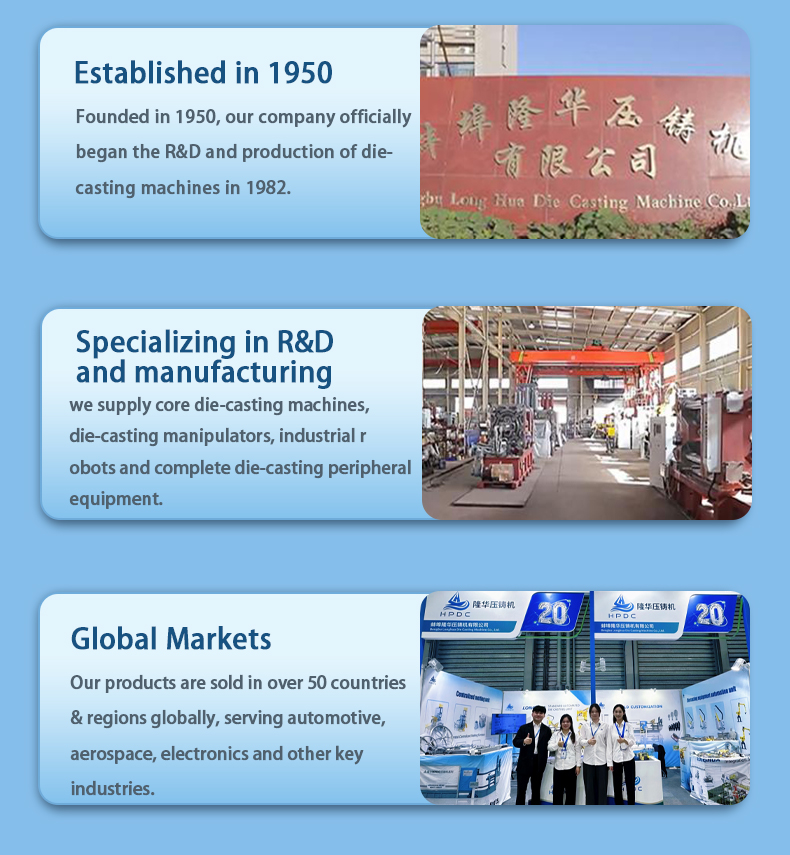
Bengbu Longhua Die-casting Machine Co., Ltd. is located in Bengbu, Anhui, an old industrial base and a national comprehensive transportation hub. It is a high-tech enterprise focusing on the design, research and development, production, sales and global after-sales service of various die-casting machines and supporting equipment. The company traces its origins to 1950, and officially started the R&D and manufacturing of die-casting machines in 1982. As a pioneer in the domestic die-casting machine industry, Longhua has been deeply involved in the industry for decades, continuing to deepen technological innovation and promote product iteration, and has accumulated solid technical accumulation and rich industry experience.
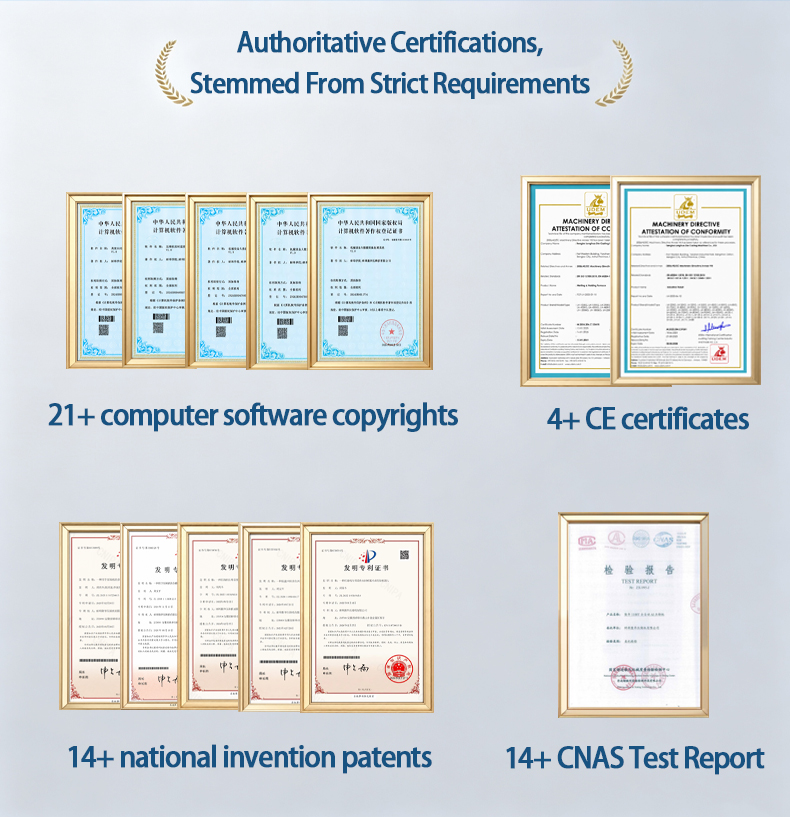
The company's product line has a complete layout. It mainly operates core machines such as cold chamber die-casting machines and hot-chamber die-casting machines. It is also equipped with die-casting manipulators, industrial robots and various die-casting auxiliary equipment. It has built a complete product matrix and can provide integrated die-casting production solutions to customers in different industries. The company has made great achievements in innovation, with 14+ invention patents and 21+ computer software copyrights. It is the leading developer of the group standard for "Artificial Intelligence Cold Chamber Die Casting Machine". At the same time, the products have CNAS test reports and CE certificates, and quality compliance is guaranteed.
At present, Longhua's products have been exported to more than 50 countries and regions around the world. With stable and reliable equipment performance and excellent production efficiency, they are widely used in key fields such as automobile manufacturing, aerospace, and electronic information, and have gained widespread trust and praise from customers at home and abroad.
FAQ
Q1: What alloys are suitable for hot chamber die casting machines?
It supports zinc alloy, some magnesium alloys, lead and tin alloys. Aluminum alloy is not available, as molten aluminum will erode the gooseneck; please use cold chamber die casting machine for aluminum.
Q2: What is the main difference between hot chamber and cold chamber die casting machines?
The gooseneck of hot chamber machine is immersed in molten metal without ladling, featuring faster cycle time for mass production of small parts. Cold chamber machine uses separate melting furnace for high melting-point alloys like aluminum and copper.
Q3: What is the typical cycle time of a hot chamber die casting machine?
It depends on wall thickness and mold structure. Thin-wall multi-cavity zinc parts can finish in several seconds, while normal products take 10–40 seconds per shot.
Q4: Can the hot chamber die casting machine connect with automation equipment to form a die casting cell?
Yes. The machine reserves standard signal ports. It can be equipped with robot extractor, servo sprayer, conveyor and temperature monitoring module for fully automatic production.
Q5: How to select the proper tonnage of hot chamber die casting machine?
Calculate based on total projected casting area and required clamping force with safety margin. 30–90T for small hardware; 130–280T for locks, fittings and electronic housings.